%2Ffit-in%2F250x250%2Fguide_websites%2F120587%2Fimages%2F1772679343980logo.jpg&w=1920&q=100)
/users/f4bd491d-ae4c-4417-b76a-4fed77879c83/ratecard/duck-hunting-corpus-christi-success-2619-mn9bu1u1.webp)
%2F300x300%2Fusers%2Ff4bd491d-ae4c-4417-b76a-4fed77879c83%2Fratecard%2Fduck-hunting-corpus-christi-success-2619-mn9bu1u1.webp&w=256&q=75)
%2F300x300%2Fusers%2Ff4bd491d-ae4c-4417-b76a-4fed77879c83%2Fimages%2Fcorpus-christi-redfish-catch-2626.jpg&w=256&q=75)
%2F300x300%2Fusers%2Ff4bd491d-ae4c-4417-b76a-4fed77879c83%2Fimages%2Fcorpus-christi-black-drum-fishing-2758.jpg&w=256&q=75)
%2F300x300%2Fusers%2Ff4bd491d-ae4c-4417-b76a-4fed77879c83%2Fimages%2Fblack-drum-corpus-christi-fishing-2719.jpg&w=256&q=75)
%2F300x300%2Fusers%2Ff4bd491d-ae4c-4417-b76a-4fed77879c83%2Fimages%2Fdove-hunting-corpus-christi-texas-2362.jpg&w=256&q=75)
%2F300x300%2Fusers%2Ff4bd491d-ae4c-4417-b76a-4fed77879c83%2Fimages%2Fcorpus-christi-fishing-group-catch-2618.jpg&w=256&q=75)
%2F300x300%2Fusers%2Ff4bd491d-ae4c-4417-b76a-4fed77879c83%2Fimages%2Fcorpus-christi-speckled-trout-catch-2638.jpg&w=256&q=75)
%2F300x300%2Fusers%2Ff4bd491d-ae4c-4417-b76a-4fed77879c83%2Fimages%2Fduck-hunt-corpus-christi-success-2538.jpg&w=256&q=75)
%2F300x300%2Fusers%2Ff4bd491d-ae4c-4417-b76a-4fed77879c83%2Fimages%2Fcorpus-christi-speckled-trout-catch-2720.jpg&w=256&q=75)
%2F300x300%2Fusers%2Ff4bd491d-ae4c-4417-b76a-4fed77879c83%2Fimages%2Fcorpus-christi-speckled-trout-catch-2597.jpg&w=256&q=75)
%2F300x300%2Fusers%2Ff4bd491d-ae4c-4417-b76a-4fed77879c83%2Fimages%2Fcorpus-christi-redfish-wade-fishing-2693.jpg&w=256&q=75)
Duck Hunt Corpus Christi Captain Ryan Guide
 Corpus Christi, TX
What you will be catching:
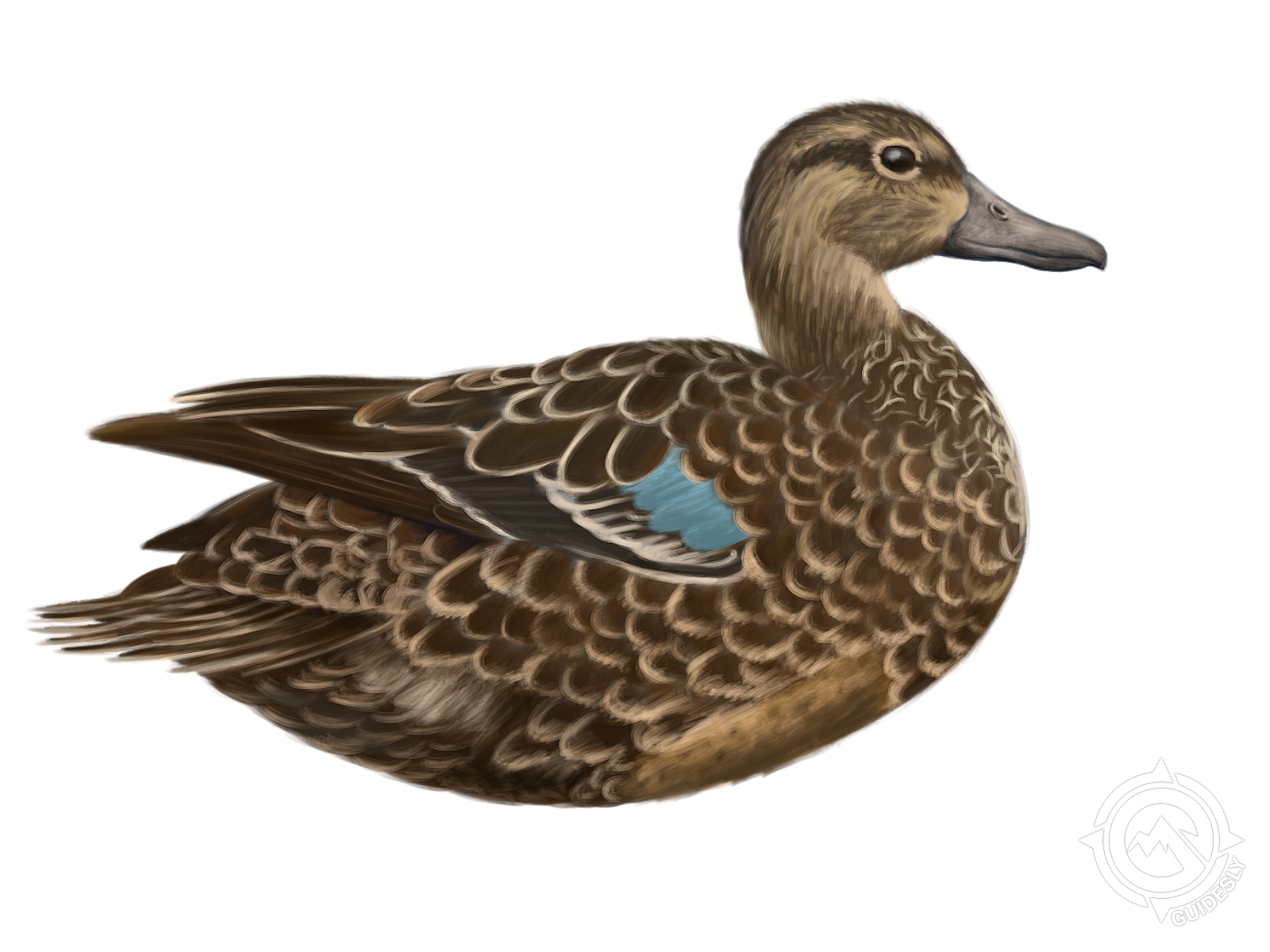 Blue-winged Teal
 Gadwall
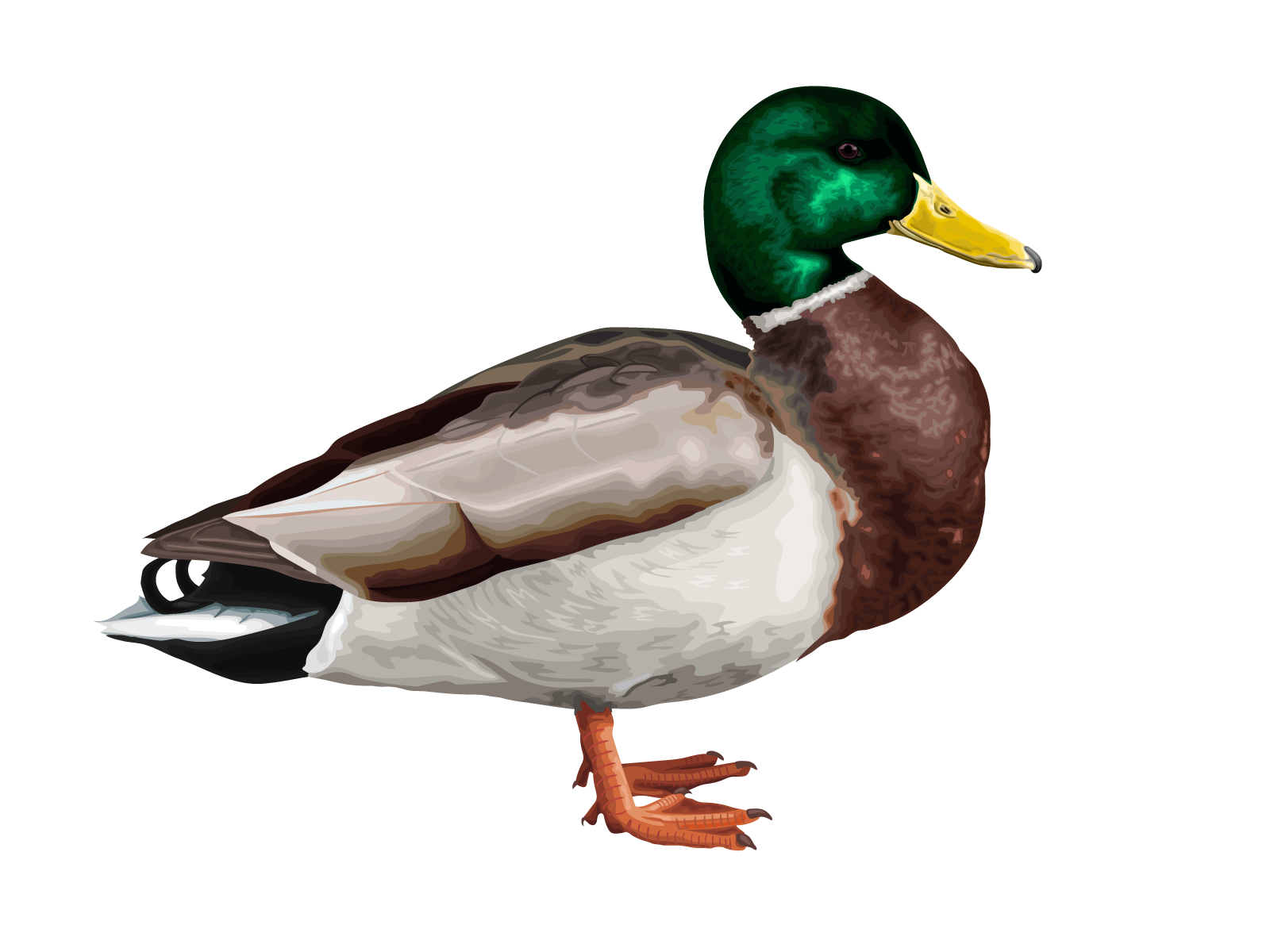 Mallard
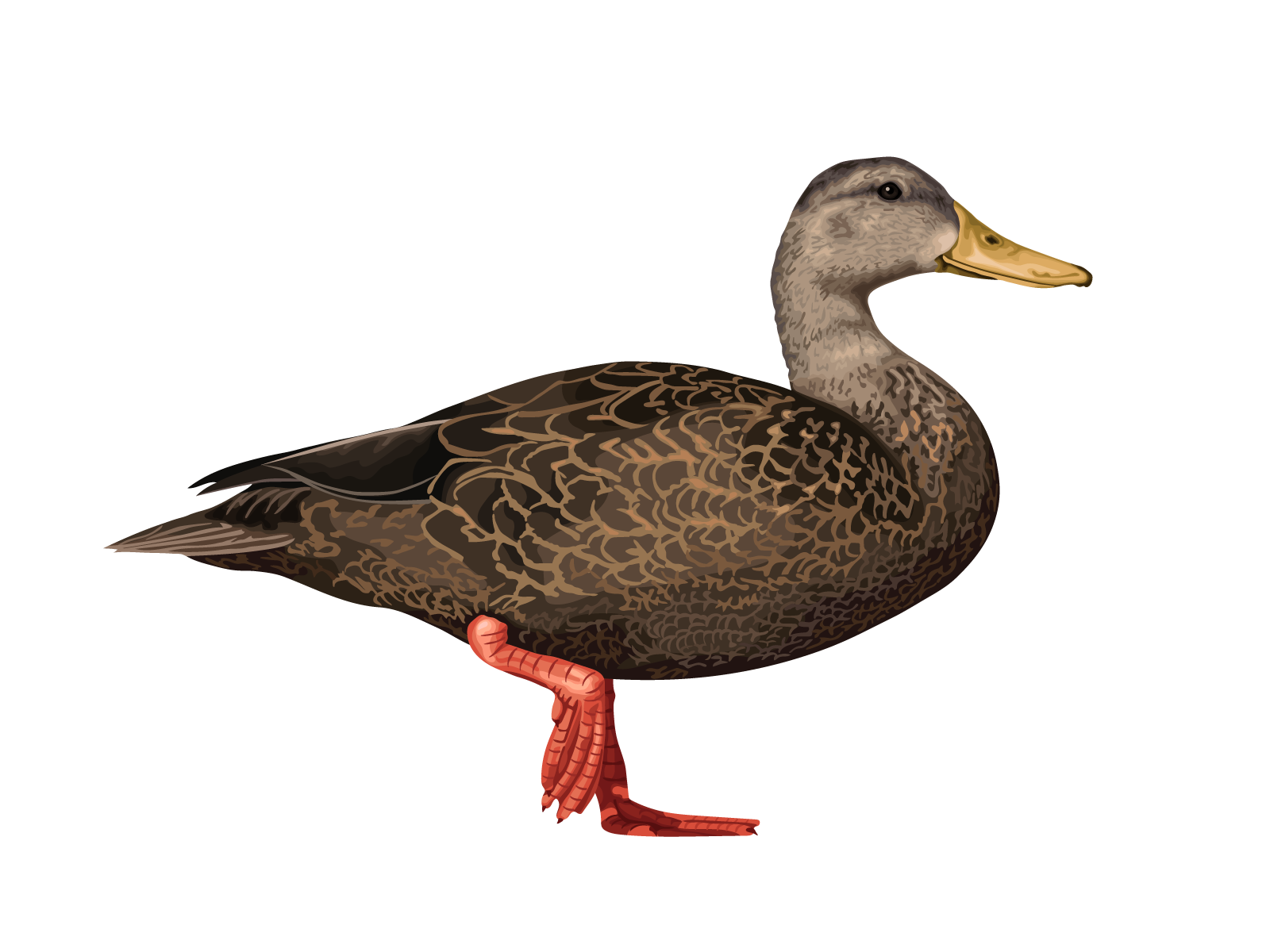 Mottled Duck
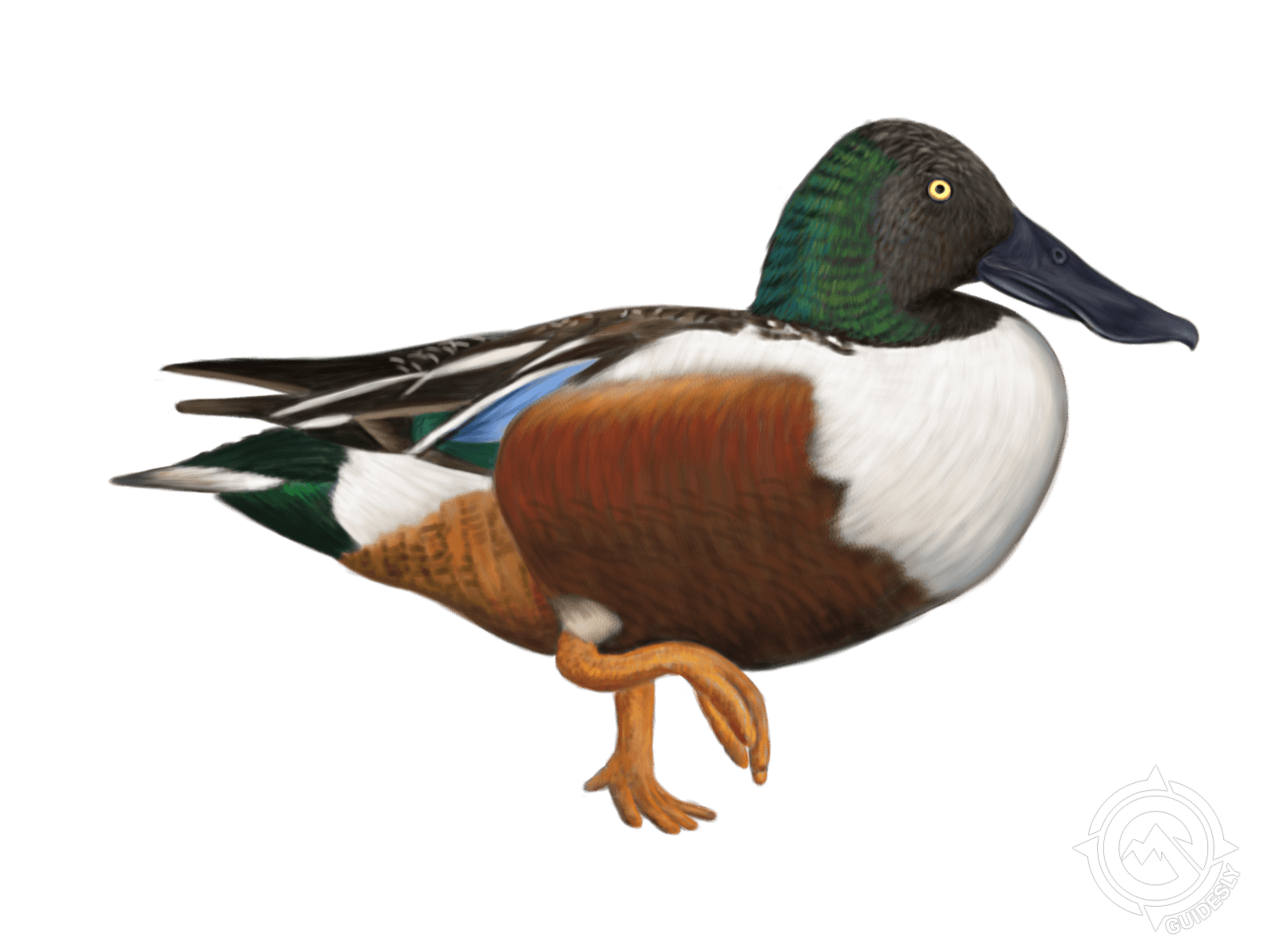
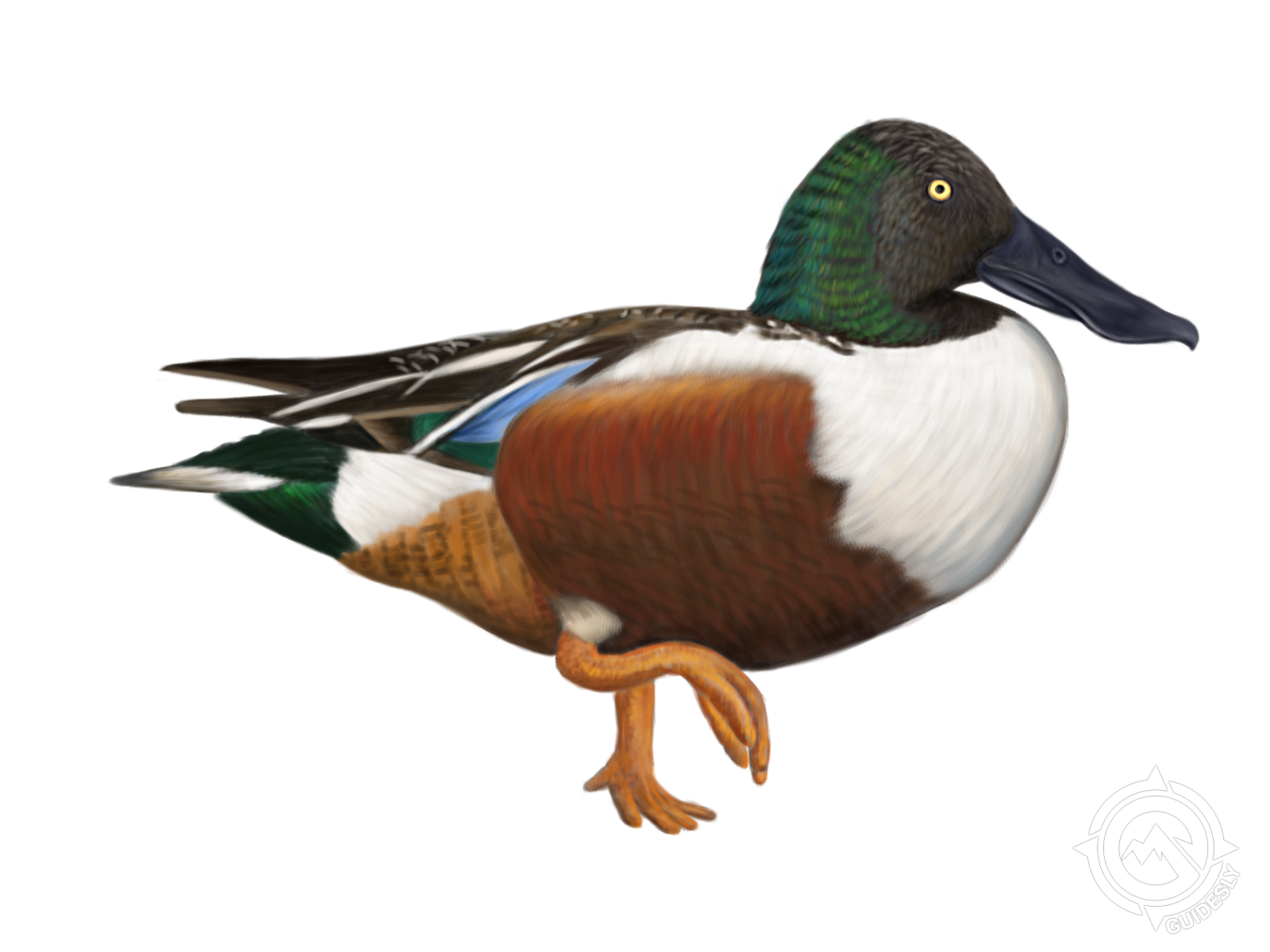 Northern Shoveler
- Join Captain Ryan for morning or afternoon duck hunting on South Texas freshwater spots, targeting puddle ducks with paddle access to prime locations. Due to ongoing drought conditions, availability varies this season, so it's best to call ahead before booking. These hunts focus on classic puddle duck species in shallow water environments. You'll need to bring your own gun and shells, plus have a valid hunting license, hunter safety card, and both state and federal duck stamps. Pricing runs $275 per hunter with a 2-gun minimum, or $250 each for groups of 3-5 hunters. Perfect for hunters looking to experience South Texas waterfowl in a more intimate setting.
Trip Pricing and Availabilities:
Texas Freshwater Paddle Duck Hunt
Looking for a classic South Texas duck hunting experience? My freshwater paddle duck hunts put you right in the heart of puddle duck country, where gadwall, mallards, and teal work the shallow waters like they own the place. Fair warning though – South Texas has been dealing with some serious drought conditions this year, so these hunts might be limited depending on water levels. Mother Nature calls the shots down here, but when conditions are right, you're in for some world-class duck action. Give me a ring before you book to check current availability – water levels can change fast, and I'll give you the straight story on what we're seeing out there.
Inside the Hunt
This isn't your typical blind-sitting duck hunt. We're talking paddle hunts here, which means we're mobile and working the birds where they want to be. You'll be out there in the early morning darkness, setting up in prime feeding areas where puddle ducks love to cruise in for breakfast. The beauty of paddle hunting is the flexibility – if one spot isn't producing, we can pick up and move to where the action is. These South Texas freshwater systems hold some fantastic puddle duck populations when water conditions cooperate. You're looking at morning and afternoon options, so whether you're an early bird or prefer to sleep in a bit, we've got you covered. The hunting pressure is typically lighter on these freshwater spots compared to the big coastal marshes, which means the birds are often less spooky and more willing to work your spread.
Gear Setup & What to Bring
You'll need to bring your own gun and shells – I recommend a 12 or 20 gauge with 23⁄4 or 3-inch shells loaded with #2 or #4 shot for these puddle ducks. Steel shot only, of course. Don't forget your hunting license, hunter safety card, and both your state and federal duck stamps – the game wardens down here don't mess around, and you'll need all your paperwork in order. I'll handle the decoy spread and calling, plus provide the boat and all the paddle hunting gear we need to stay mobile. Dress for the weather – South Texas mornings can be surprisingly cool, but it warms up fast once the sun gets going. Waders are a must since we'll be working shallow water and marshy areas. The paddle hunting technique lets us get into spots that bigger boats can't reach, putting us right where the ducks feel most comfortable feeding and loafing.
Target Game Breakdown
Gadwall are the bread and butter of these South Texas freshwater hunts. These gray ducks might not be the flashiest birds in the sky, but they're smart, numerous, and absolutely delicious on the table. They love shallow, weedy water where they can dabble for aquatic vegetation and invertebrates. Gadwall typically show up in good numbers from late October through January, and they're not as call-shy as some other puddle ducks. When they commit to your spread, they come in with confidence, making for some great shooting opportunities.
Northern Shovelers are another customer favorite, and South Texas sees excellent shoveler numbers during peak migration. These distinctive ducks with their oversized bills are filter feeders, sifting through shallow water for tiny organisms. They're often the first ducks to show up at sunrise, and they'll work a good spread beautifully. Shovelers aren't the wariest ducks you'll encounter, but they can be unpredictable – sometimes they'll buzz the decoys three times before committing, other times they'll drop right in on the first pass.
Mallards in South Texas are a special treat since we're at the southern edge of their primary range. The birds we see are typically northern migrants that have made the long journey south, and they're often in prime condition. Mallards are the most vocal of the puddle ducks, and they respond well to aggressive calling when done right. They prefer slightly deeper water than some other puddle ducks but still love those shallow feeding areas where they can tip up and reach the bottom.
Mottled Ducks are the local year-round residents, and they're perfectly adapted to South Texas conditions. These birds look similar to female mallards but are smaller and more compact. Mottleds are arguably the smartest duck you'll hunt down here – they've seen every trick in the book and survived our year-round hunting pressure. When you do get mottleds to work your spread, you've really accomplished something. They're excellent eating and make for a challenging, rewarding hunt.
Blue-winged Teal are speed demons that show up early in the season and again during spring migration. These small, fast-flying ducks travel in tight flocks and can test your shooting skills with their erratic flight patterns. Teal prefer really shallow water with lots of emergent vegetation, and they'll often feed right along the shoreline. When a flock of blue-wings decides to work your decoys, they come in low and fast – blink and you'll miss your chance. The action with teal can be absolutely explosive when you hit it right during migration peaks.
Book Your Next Tag
South Texas freshwater duck hunting offers some of the most diverse puddle duck action you'll find anywhere, when conditions are right. At $275 per gun with a 2-gun minimum, or $250 per gun for groups of 3-5 hunters, this top-rated experience delivers excellent value for serious waterfowlers. The drought situation is real this year, so I can't guarantee these hunts will be available – but when they are, you're looking at some of the best duck hunting South Texas has to offer. The combination of mobile paddle hunting techniques and prime freshwater habitat creates opportunities you won't find on typical blind hunts. Whether you're chasing a South Texas duck slam or just want to experience some classic puddle duck hunting, this is your chance to get after some fantastic birds in beautiful country. Give Captain Ryan's Guide Services a call to check current water conditions and availability – when the stars
Learn more about the animals
Blue-winged Teal
Blue-winged teal are small, fast ducks weighing about a pound with distinctive powder-blue wing patches that flash when they fly. Early teal season in September is prime time as they migrate south ahead of other ducks. These birds prefer shallow water with lots of vegetation - rice fields, muddy pond edges, and marshy areas under 18 inches deep. They're lightning quick in flight, often appearing as a blur before you realize they're working your spread. Hunters enjoy the fast-paced action since teal travel in large flocks and provide challenging wing shooting. The meat is dark but flavorful when not overcooked. Keep your shots close - they'll buzz your decoys at treetop level then drop straight down. Set decoys tight together in shallow water and be ready for quick shots.
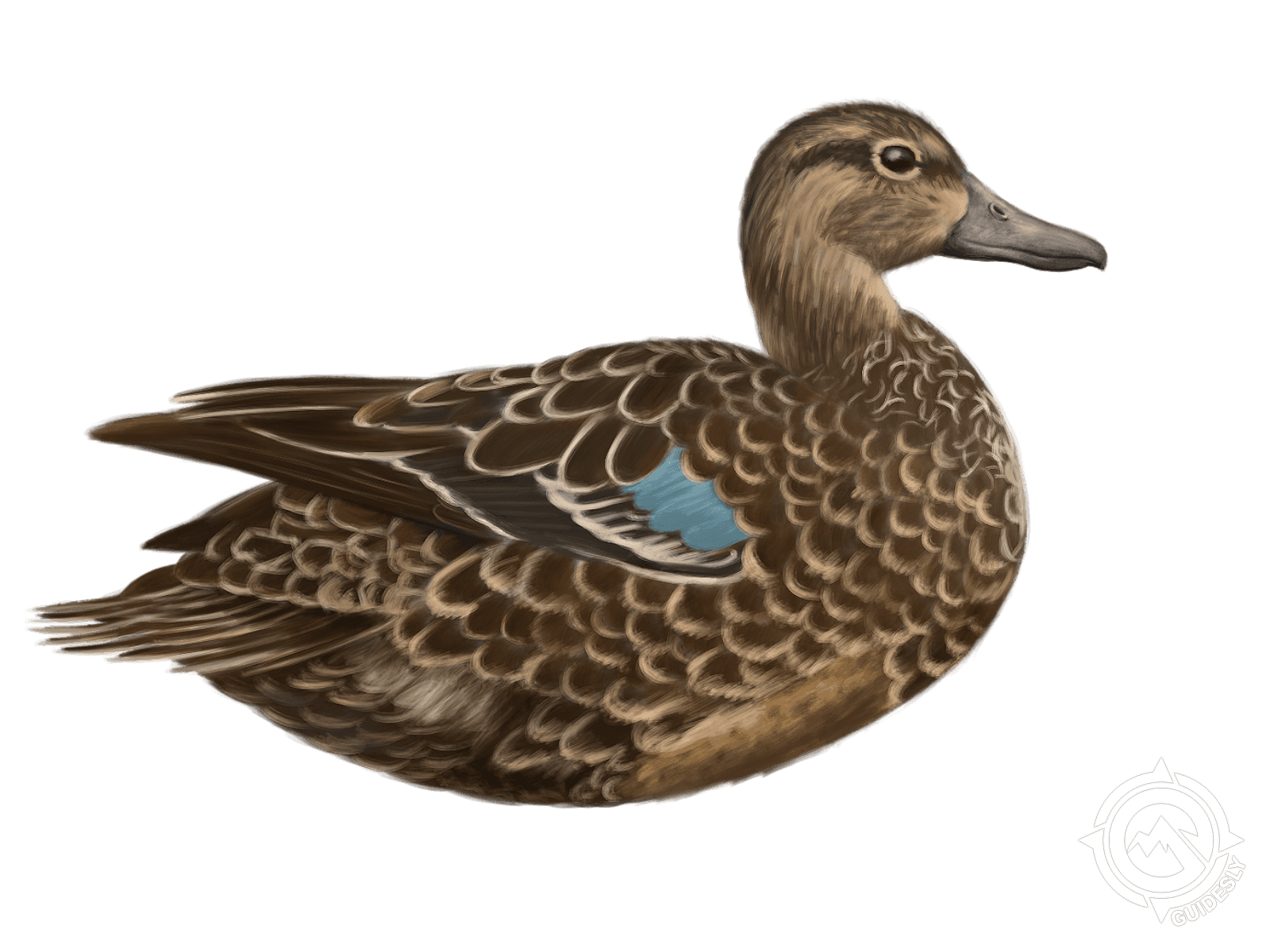
Gadwall
Gadwalls are solid medium-sized ducks that prefer shallow freshwater ponds and marshes with good vegetation. They're about 2 pounds and known for being cautious birds that like to feed in water 1-3 feet deep where they can tip forward to reach submerged plants. Peak season here runs November through January when northern birds join our local population. These ducks are steady fliers and make excellent table fare - many hunters consider them among the best eating waterfowl. They're social birds that often mix with other puddle ducks, which helps with decoying. The key to success is setting up near thick emergent cover where they feel secure. Once they commit to your spread, they usually come in groups of 4-6 birds.
Mallard
Mallards are the classic duck everyone knows - drakes with green heads, hens with that familiar quack. They're our largest puddle ducks at 2-3 pounds and adapt to almost any freshwater situation from stock tanks to flooded timber. Best hunting runs December through early February when cold fronts push birds down from the north. These ducks work everything from ankle-deep sloughs to deeper ponds, feeding on seeds, plants, and grain. Hunters love them because they decoy well, taste great, and provide exciting shooting when they're working your spread. Local birds can be call-shy, but migrants respond well to feeding chuckles and comeback calls. Set your decoys with plenty of open water - mallards like room to land and don't mind swimming 20-30 yards to join the flock.
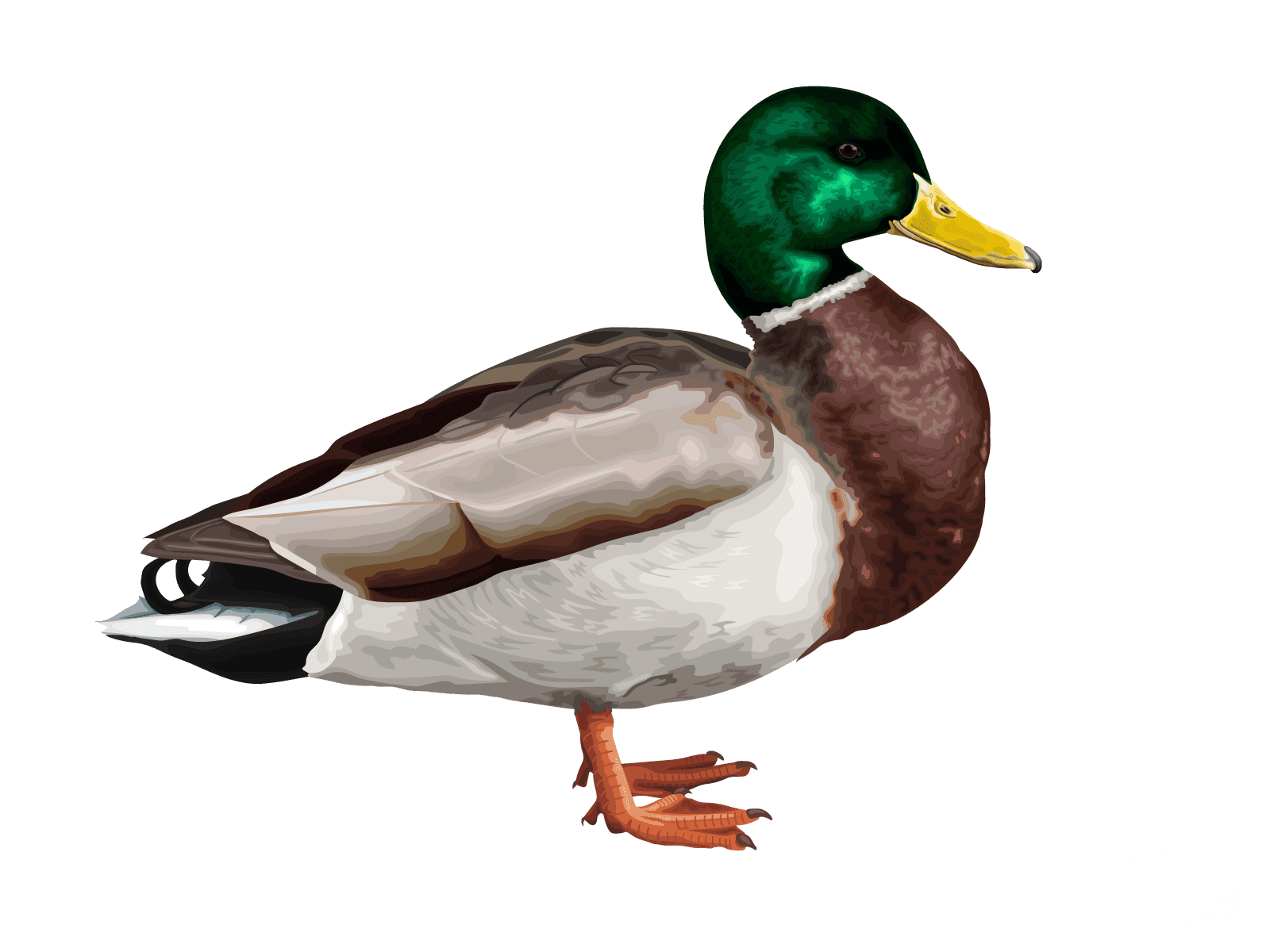
Mottled Duck
Mottled ducks are our year-round residents - think of them as the Texas mallard. They're brown-bodied birds about the same size as mallards but without the flashy colors. These ducks know every pond, tank, and marsh in South Texas since they live here full-time. They prefer shallow coastal prairies and freshwater areas with good emergent cover for nesting. September through October offers prime hunting as young birds are flying well. Since they're non-migratory, hunting pressure makes them educated quickly. The meat quality is outstanding - some say better than mallards. Success comes from hunting water they haven't seen pressure on. They're extremely wary of calling, so less is more. Set up in spots with natural cover and let your decoys do the work rather than aggressive calling.
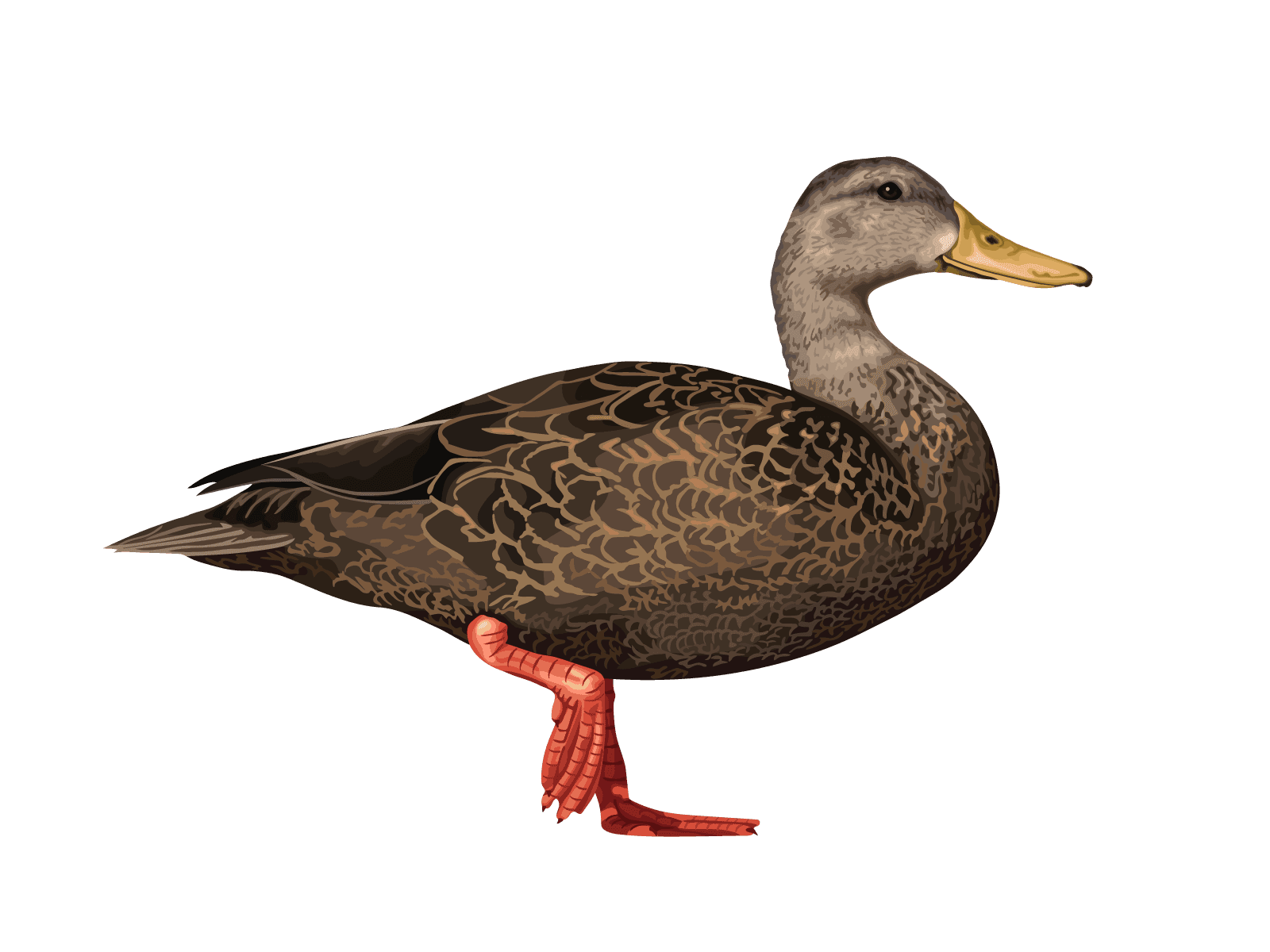
Northern Shoveler
Northern Shovelers are unmistakable with their oversized spoon bills, running about 1.5 pounds and built for filter feeding. They work shallow mudflats and pond edges, using that specialized bill to strain tiny organisms from the water. December through February brings the best numbers as they move through South Texas during migration. These ducks prefer water less than 2 feet deep with soft bottoms they can sift through. Hunters appreciate their distinctive flight pattern - they fly in tight bunches and circle multiple times before committing. The meat is decent when prepared right, though they can be muddy tasting depending on diet. Set decoys in the shallowest water you can find with some mud showing. They'll often land right in the shallows instead of swimming in.