%2Ffit-in%2F250x250%2Fguide_websites%2F120587%2Fimages%2F1772679343980logo.jpg&w=1920&q=100)
/users/f4bd491d-ae4c-4417-b76a-4fed77879c83/ratecard/duck-hunt-corpus-christi-success-2538-mn9bhzd0.webp)
%2F300x300%2Fusers%2Ff4bd491d-ae4c-4417-b76a-4fed77879c83%2Fratecard%2Fduck-hunt-corpus-christi-success-2538-mn9bhzd0.webp&w=256&q=75)
%2F300x300%2Fusers%2Ff4bd491d-ae4c-4417-b76a-4fed77879c83%2Fimages%2Fcorpus-christi-redfish-catch-2626.jpg&w=256&q=75)
%2F300x300%2Fusers%2Ff4bd491d-ae4c-4417-b76a-4fed77879c83%2Fimages%2Fcorpus-christi-black-drum-fishing-2758.jpg&w=256&q=75)
%2F300x300%2Fusers%2Ff4bd491d-ae4c-4417-b76a-4fed77879c83%2Fimages%2Fblack-drum-corpus-christi-fishing-2719.jpg&w=256&q=75)
%2F300x300%2Fusers%2Ff4bd491d-ae4c-4417-b76a-4fed77879c83%2Fimages%2Fdove-hunting-corpus-christi-texas-2362.jpg&w=256&q=75)
%2F300x300%2Fusers%2Ff4bd491d-ae4c-4417-b76a-4fed77879c83%2Fimages%2Fcorpus-christi-fishing-group-catch-2618.jpg&w=256&q=75)
%2F300x300%2Fusers%2Ff4bd491d-ae4c-4417-b76a-4fed77879c83%2Fimages%2Fcorpus-christi-speckled-trout-catch-2638.jpg&w=256&q=75)
%2F300x300%2Fusers%2Ff4bd491d-ae4c-4417-b76a-4fed77879c83%2Fimages%2Fduck-hunt-corpus-christi-success-2538.jpg&w=256&q=75)
%2F300x300%2Fusers%2Ff4bd491d-ae4c-4417-b76a-4fed77879c83%2Fimages%2Fcorpus-christi-speckled-trout-catch-2720.jpg&w=256&q=75)
%2F300x300%2Fusers%2Ff4bd491d-ae4c-4417-b76a-4fed77879c83%2Fimages%2Fcorpus-christi-speckled-trout-catch-2597.jpg&w=256&q=75)
%2F300x300%2Fusers%2Ff4bd491d-ae4c-4417-b76a-4fed77879c83%2Fimages%2Fcorpus-christi-redfish-wade-fishing-2693.jpg&w=256&q=75)
Texas Duck Hunting Captain Ryan Corpus Christi
 Corpus Christi, TX
What you will be catching:
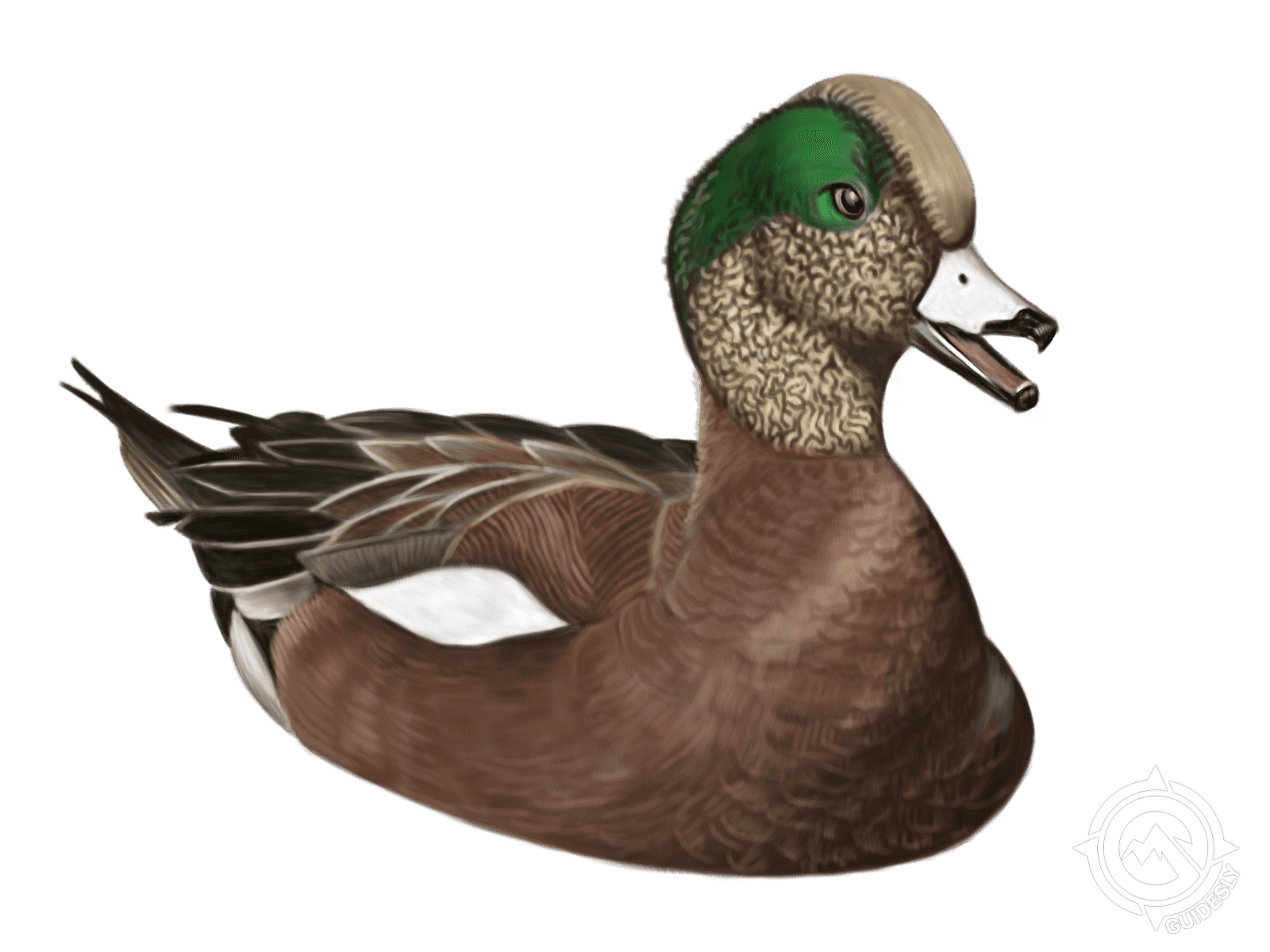
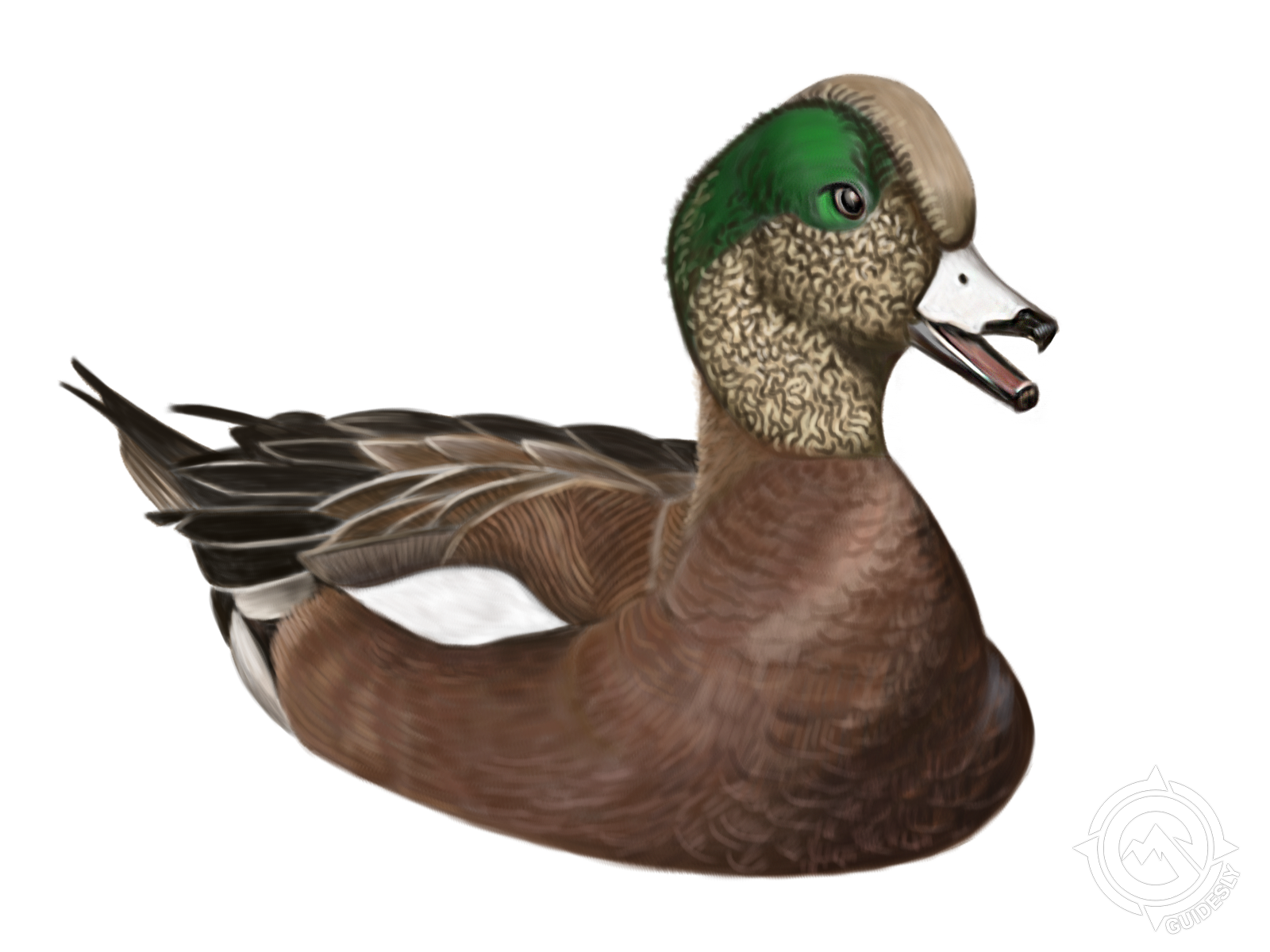 American Wigeon
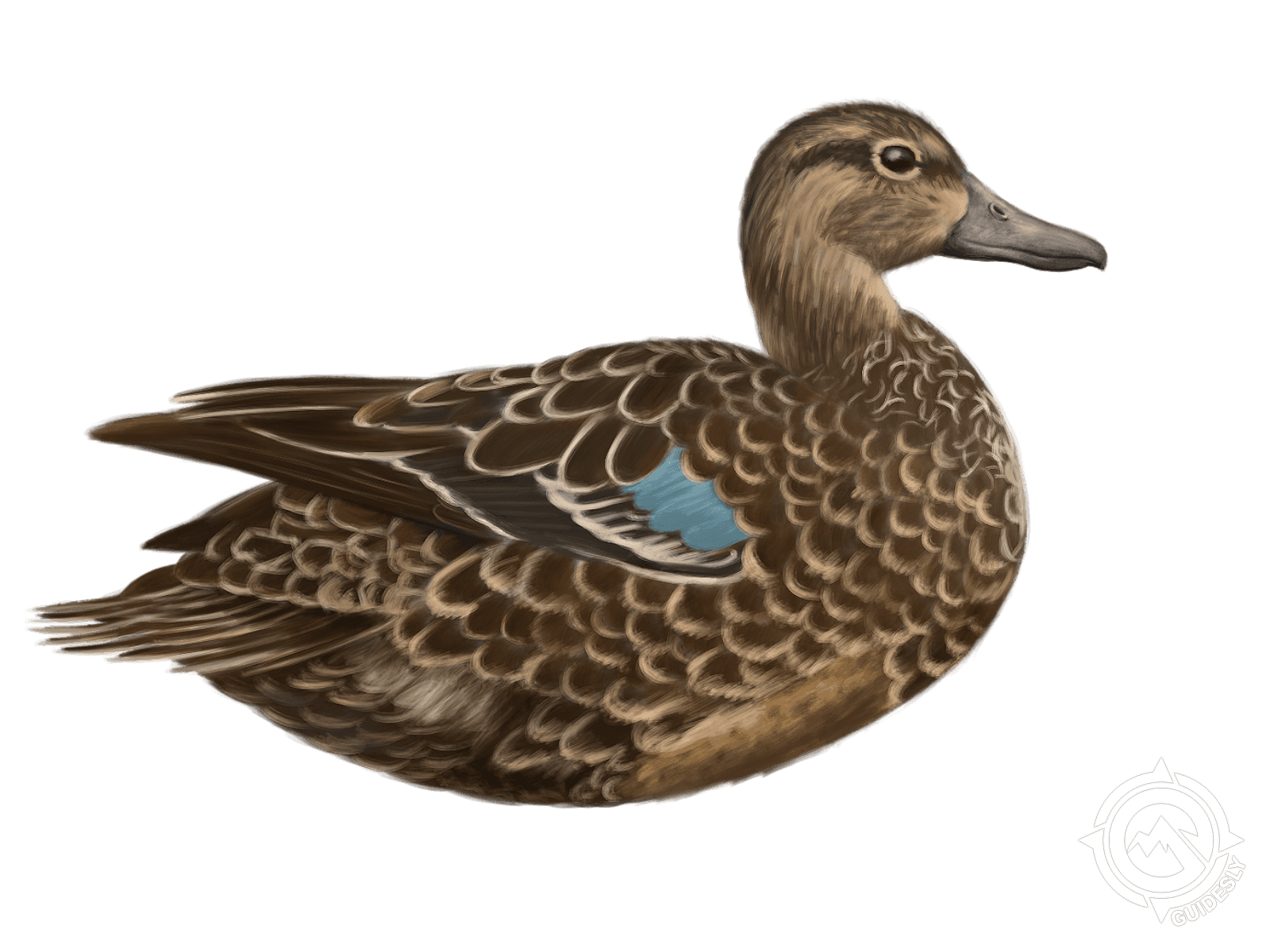
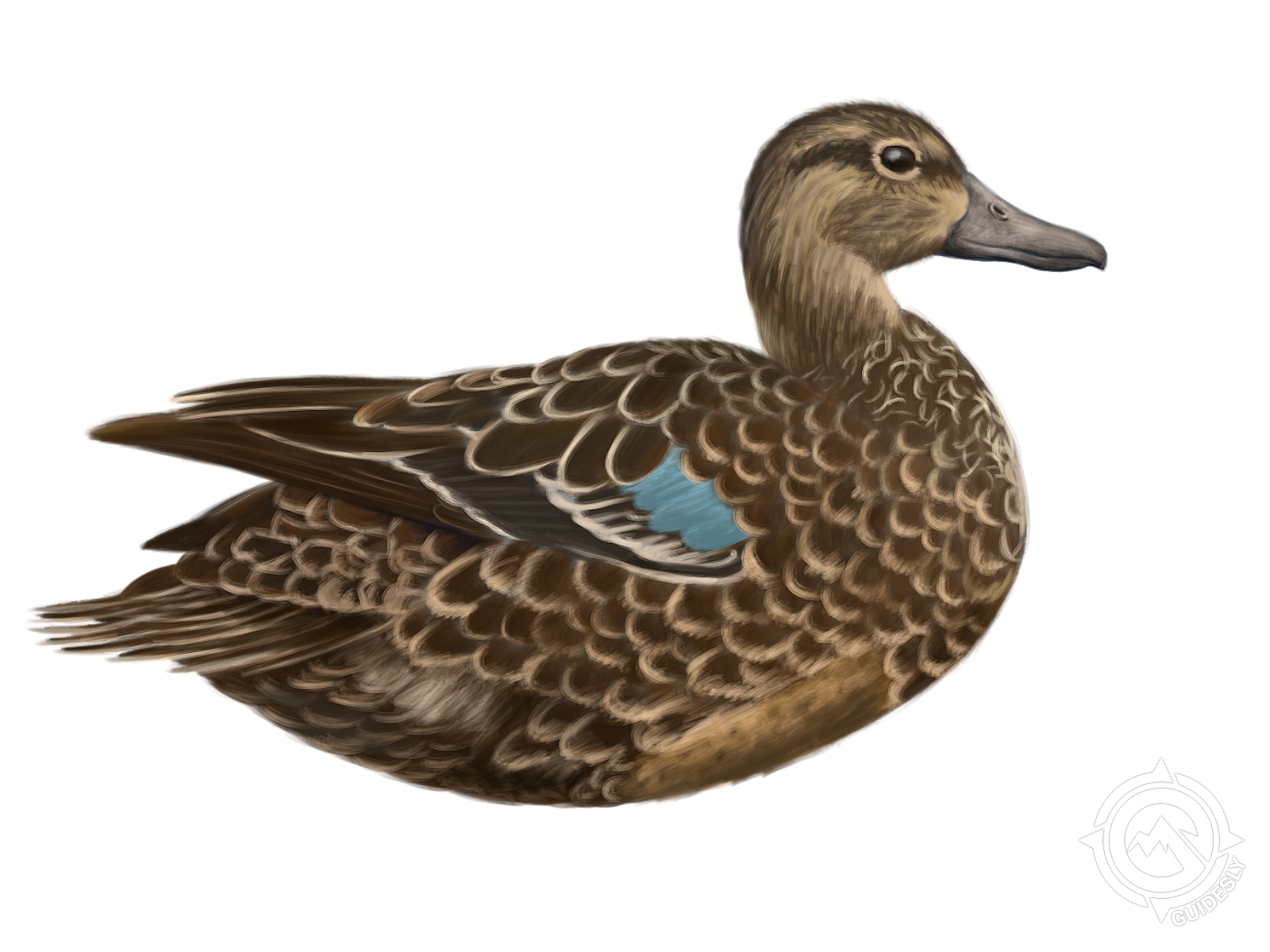 Blue-winged Teal
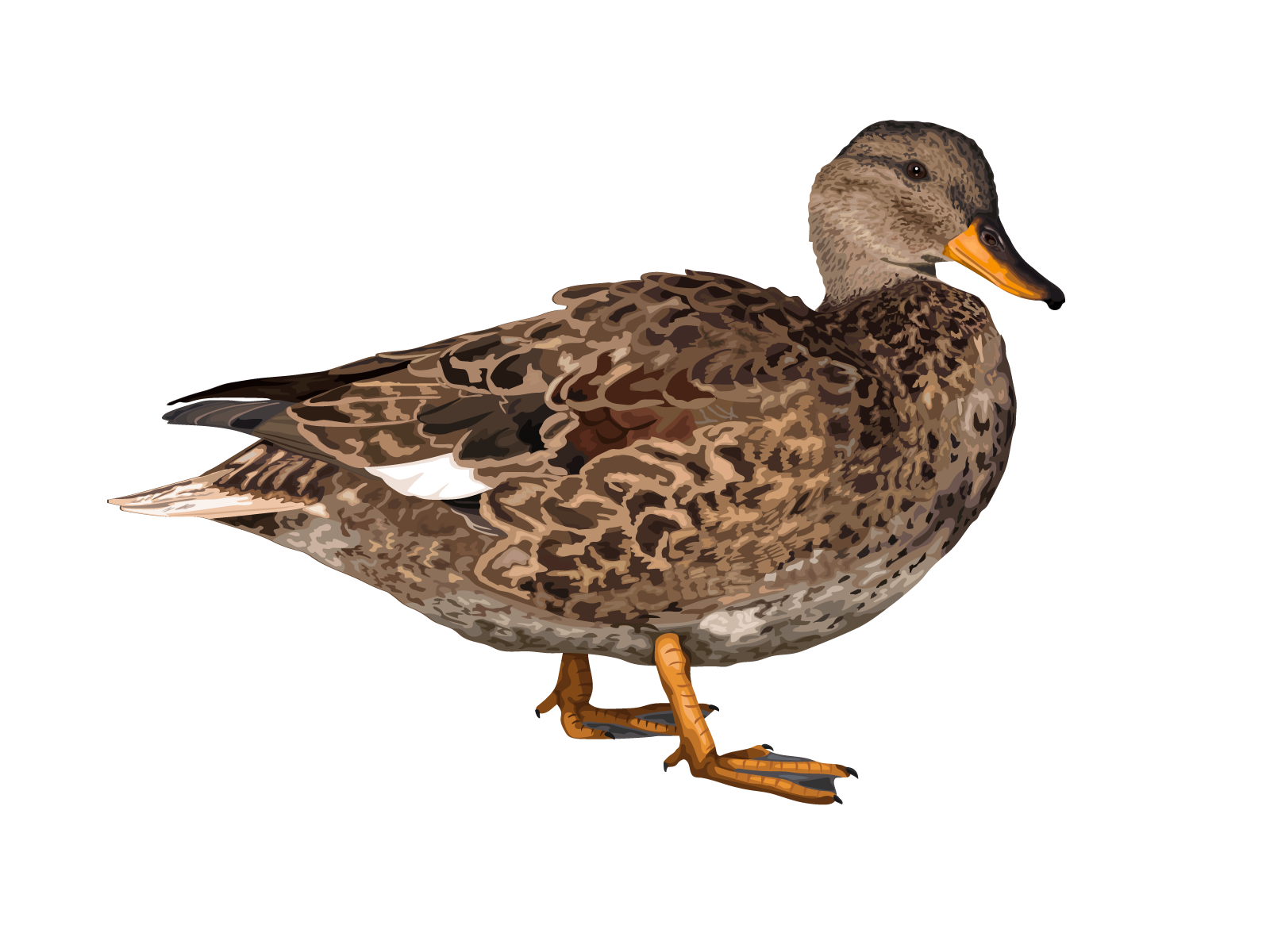 Gadwell Duck
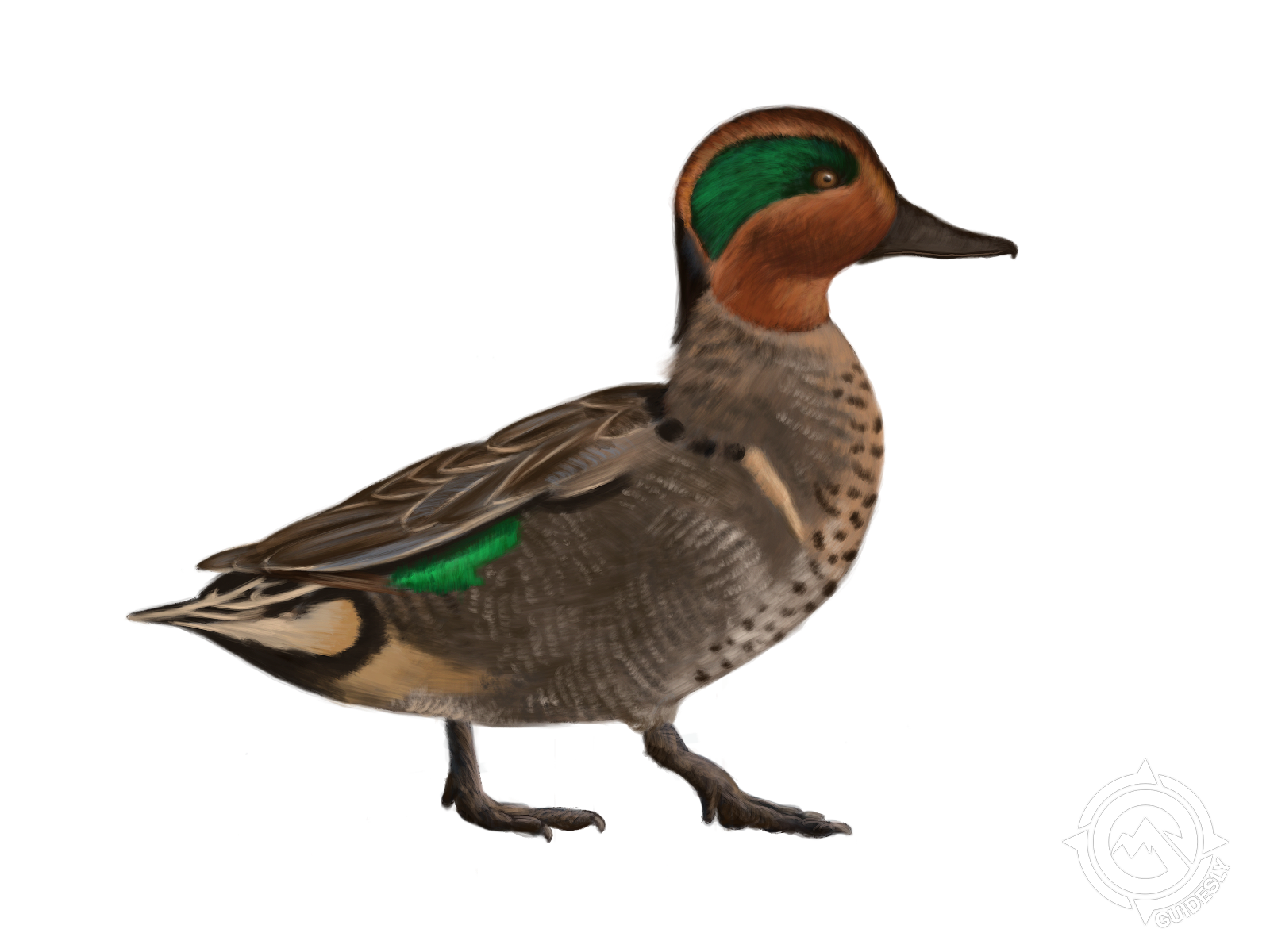 Green-winged Teal
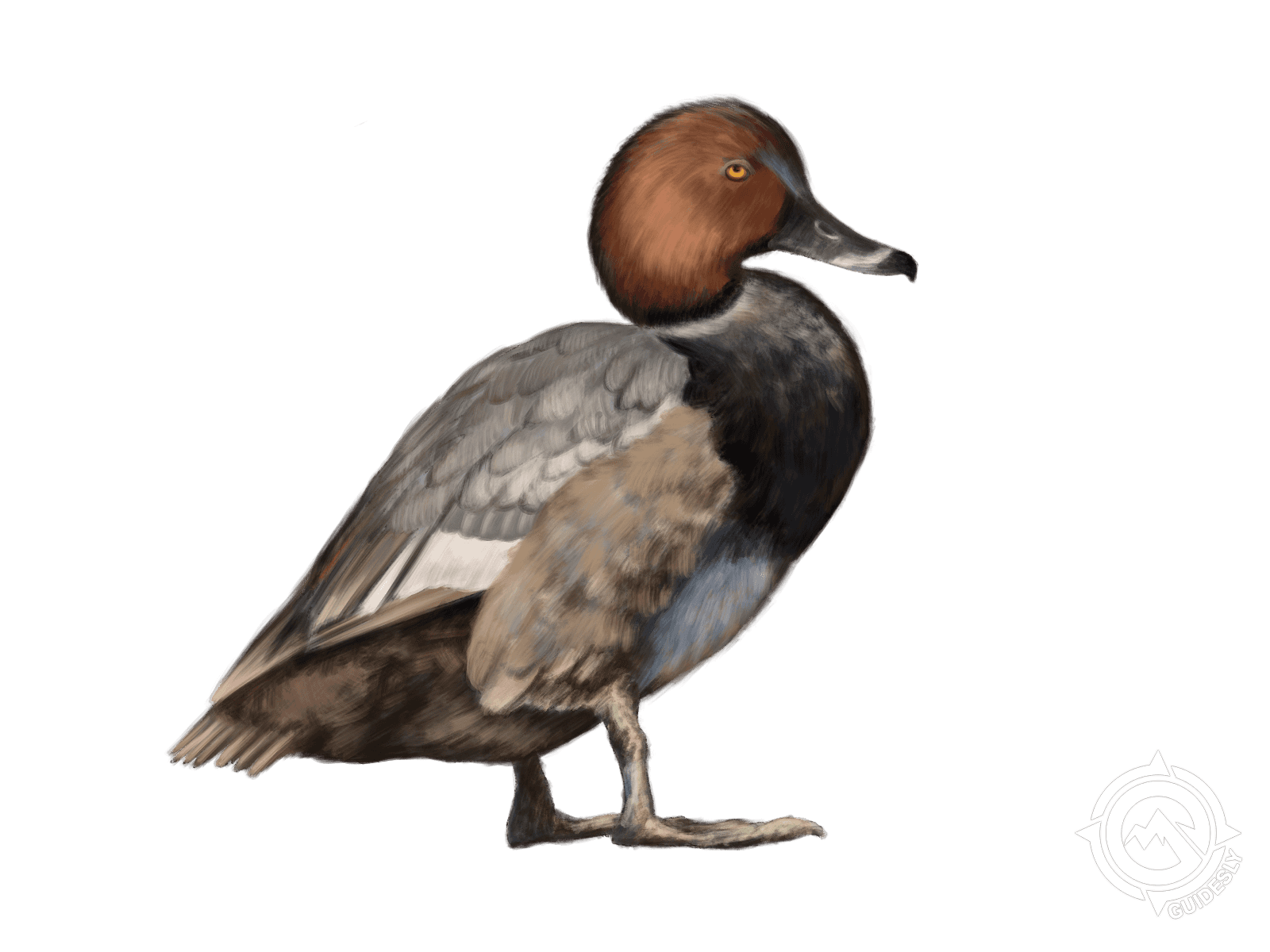
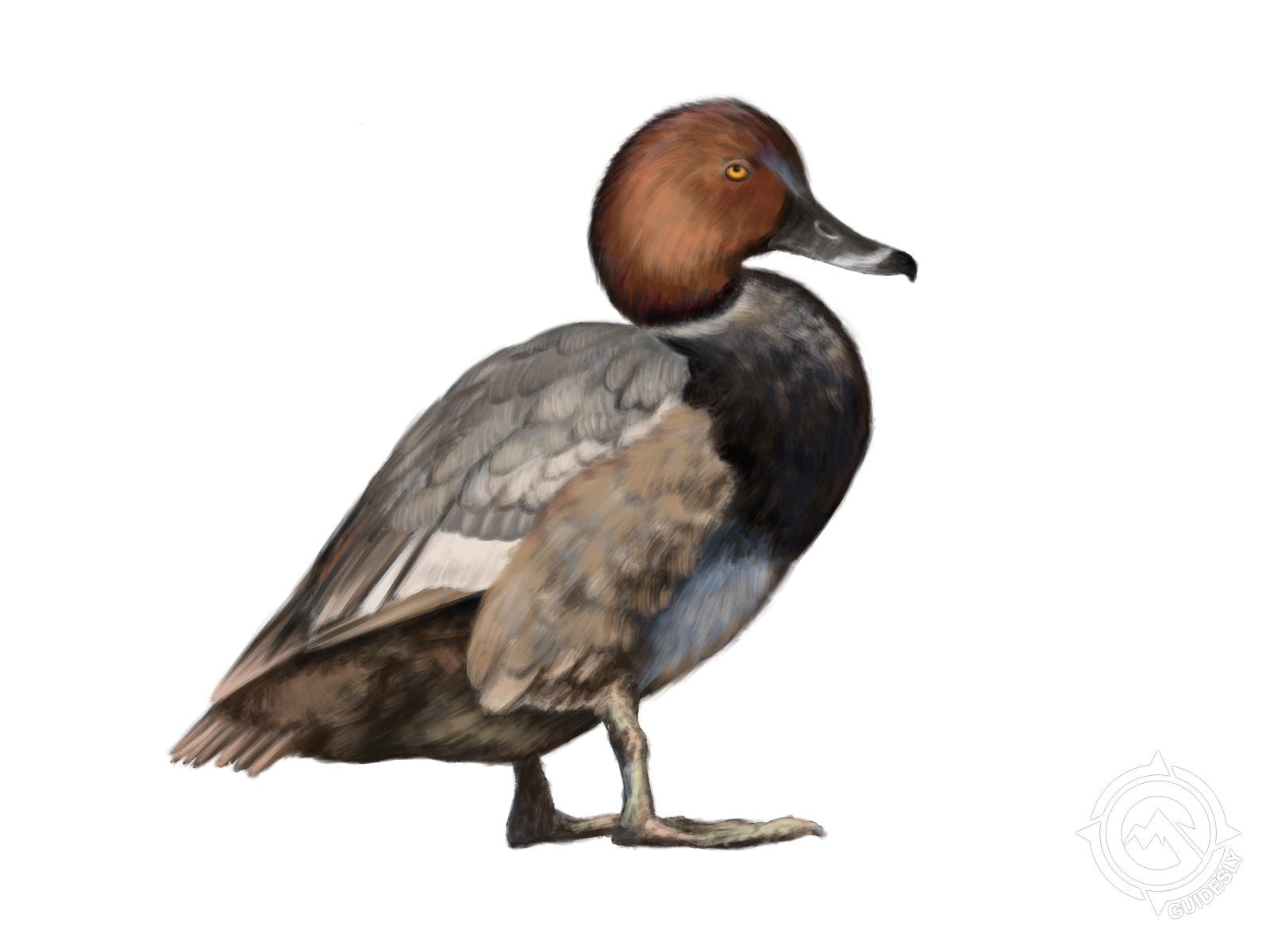 Redhead
- Captain Ryan's Guide Services runs duck hunts out of Corpus Christi targeting redheads, pintail, and mixed puddle ducks during migration season. We hunt the famous Land Cut along with freshwater lakes and flooded timber depending on where the birds are working. Morning hunts start early when ducks are moving, and we'll get you set up in prime spots where these birds like to feed and rest. You'll need to bring your own gun and shells, plus have your hunting license, safety card, and duck stamps ready. Groups run 3-5 hunters, so it's perfect for buddies planning a solid day on the water chasing some of Texas's best waterfowl.
Trip Pricing and Availabilities:
Texas Morning Duck Hunts on the Land Cut
If you're looking for some of the best duck hunting Texas has to offer, you've found it right here in Corpus Christi. Captain Ryan's Guide Services runs top-rated morning hunts on the famous Land Cut, where redheads pile in thick during migration season. We're talking about world-class waterfowl hunting in one of the most productive flyways on the Gulf Coast. Whether you're chasing pintails over decoys or watching redheads work the open water, these hunts deliver the kind of action that keeps hunters coming back year after year. Fair warning though – once you experience a Land Cut sunrise with ducks trading overhead, you'll be hooked for life.
Inside the Hunt
Our Land Cut hunts kick off early, and I mean early – we're talking well before sunrise to get you set up in prime position. The Land Cut itself is this legendary waterway that connects Corpus Christi Bay to Laguna Madre, and it's basically a duck highway during migration. We'll have you positioned in layout blinds or pit blinds depending on conditions, with a solid spread of decoys working in the wind. Morning hunts run until about 10 AM, which gives us the peak flight time when ducks are moving between roosting and feeding areas. You'll need to bring your own shotgun and shells – most guys run 12-gauge with 3-inch magnums, but a 20-gauge will get the job done too. Steel shot only, of course, and make sure you've got your hunting license, hunter safety card, and both state and federal duck stamps squared away before you show up. We run a 3-gun minimum with up to 5 hunters max, so you're looking at $250 per gun for what's honestly some of the most consistent duck hunting on the Texas coast.
Tracking Tips & Terrain
The Land Cut is unique terrain that requires a specific approach. Unlike your typical marsh hunting, we're dealing with deeper, more open water that acts like a natural funnel for migrating birds. The key here is reading the wind and weather – when those north winds push through, the ducks get active and start trading heavy between the bay systems. We set up our spreads to take advantage of these natural flight patterns, using a mix of divers and puddle duck decoys depending on what we're seeing. The blinds we use are built for this specific environment – low profile but comfortable enough for a full morning sit. Camouflage is critical out here since the birds can see for miles across open water. Stick with earth tones and avoid any shiny gear. The Land Cut can get choppy when the wind picks up, so waterproof waders are a must. We also hunt freshwater lakes and flooded timber when conditions call for it, which gives us flexibility to chase birds wherever they want to be on any given day.
Target Game Breakdown
Redheads are the stars of the show on Land Cut hunts, and for good reason. These diving ducks pour through here in massive numbers during peak migration, usually from late November through January. Redheads are fast, smart birds that decoy beautifully when you've got your spread set right. They'll come in low and fast, often in big rafts, and watching a flock of 50 redheads cup their wings over your decoys is something every waterfowler needs to experience. They're also excellent eating, with that classic rich flavor you get from diving ducks.
Blue-winged teal show up earlier in the season, typically September through October, and they're absolute rockets in the air. These little speed demons will test your wing shooting skills, but they're incredibly rewarding to hunt. Blue-wings are notorious for their erratic flight patterns and lightning-fast turns. When they commit to the decoys, they come in hot and low, giving you just a split second to make your shot. They're also some of the best eating ducks you'll ever put on the table.
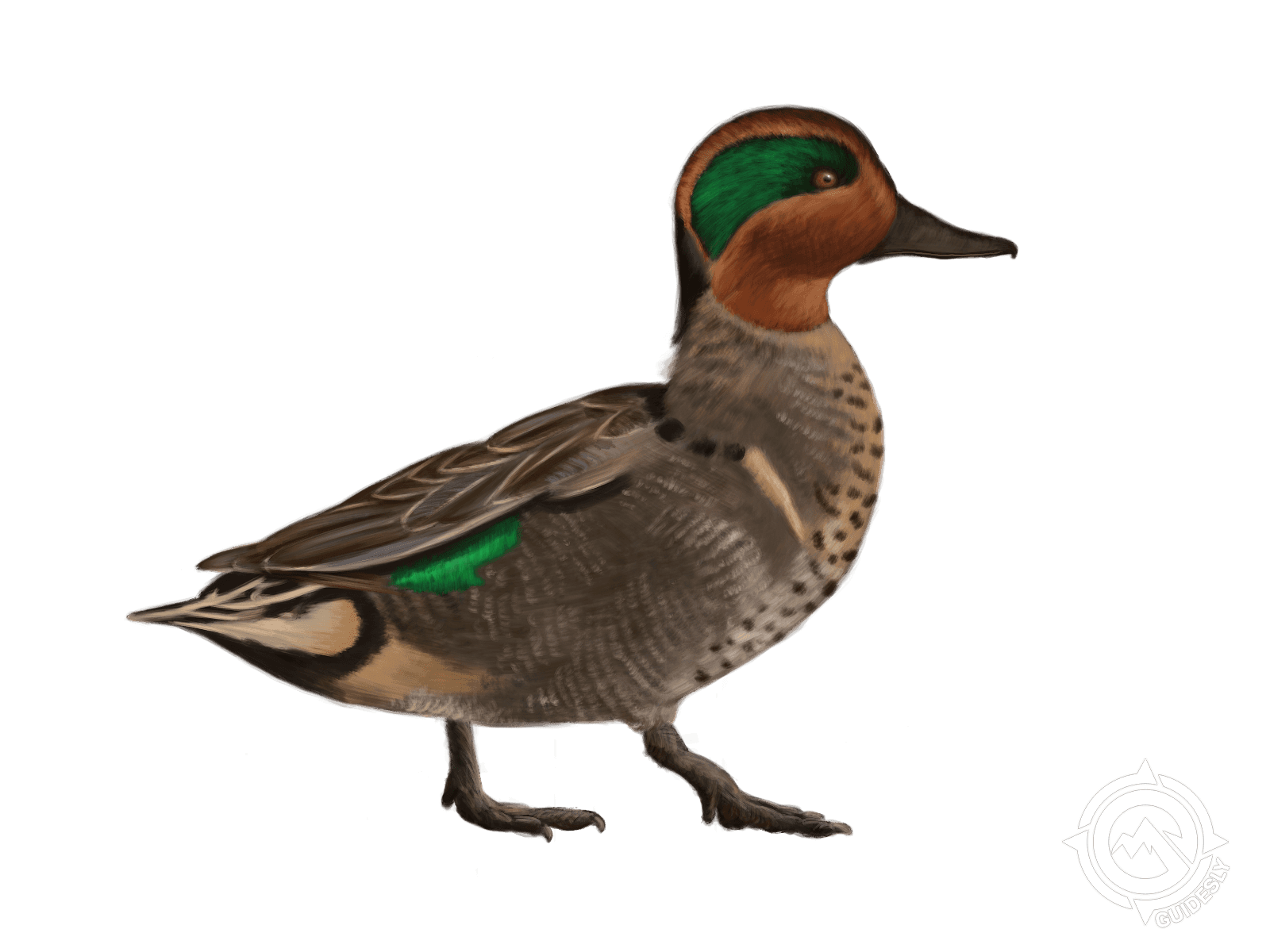
Green-winged teal are similar to their blue-winged cousins but stick around longer into the season. These birds are small but mighty, known for their tight formation flying and acrobatic abilities. Green-wings will buzz your decoy spread like tiny fighter jets, often circling multiple times before committing. Their distinctive whistling call is music to any duck hunter's ears, and they respond well to calling if you know what you're doing.
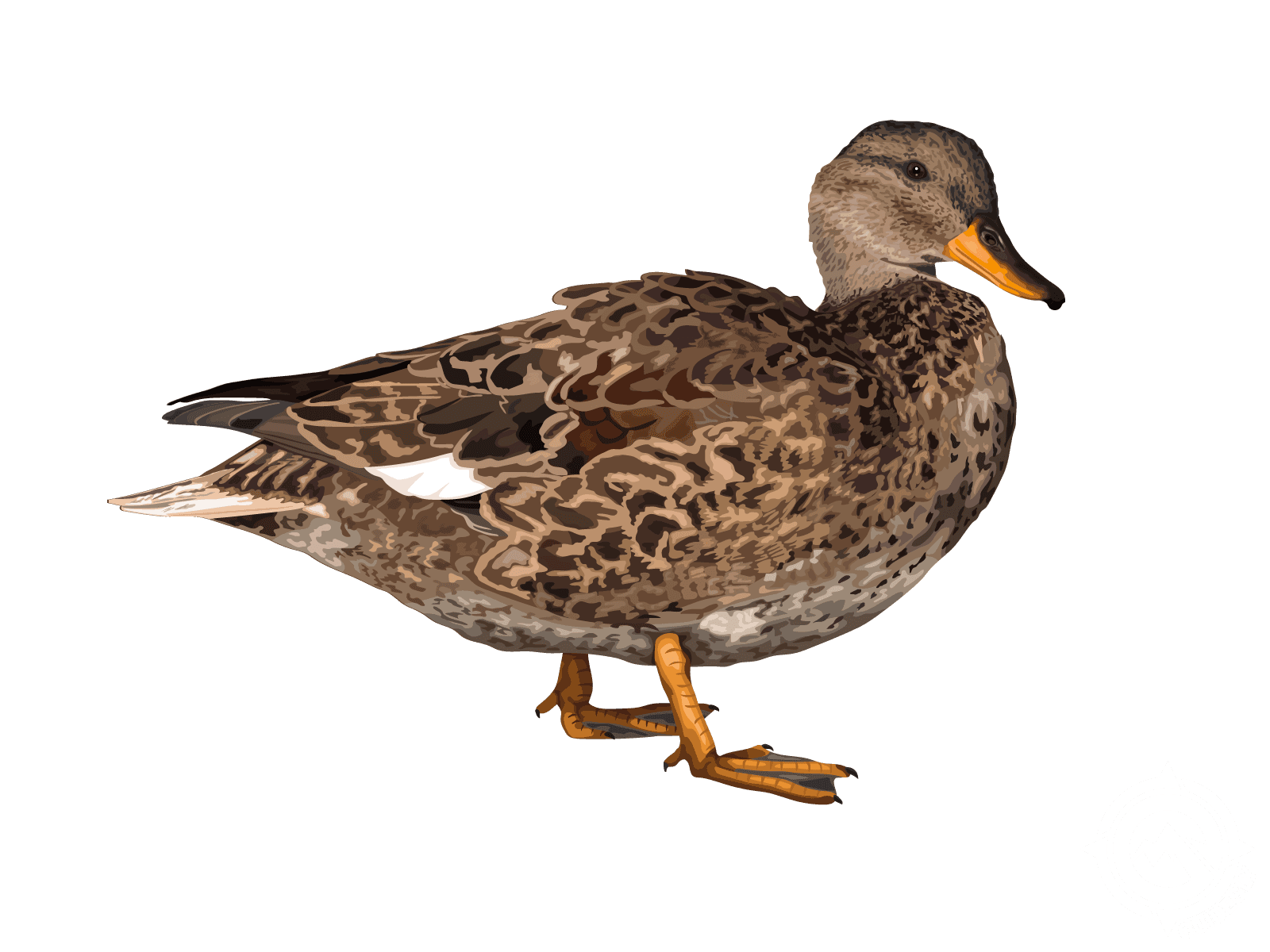
Gadwall might not be the flashiest ducks in the marsh, but don't sleep on these gray ghosts. They're incredibly smart birds that will teach you a lesson in patience and calling technique. Gadwall love shallow water with plenty of vegetation, and they're notorious for hanging up just outside gun range if something doesn't look right. When they do commit, they're steady fliers that give you a good shot opportunity. Plus, they're excellent on the dinner table with a milder flavor than most puddle ducks.
American wigeon, or baldpate as the old-timers call them, are the comedians of the duck world with their distinctive whistling call that sounds almost like a squeaky toy. These birds are grazers that love to feed on aquatic vegetation, and they're often found mixing with other puddle duck species. Wigeon are notorious followers – they'll often decoy to other ducks already working your spread. They're medium-sized birds with a sweet, mild flavor that makes them a customer favorite at the cleaning table.
Book Your Next Tag
The Land Cut isn't just another duck hunt – it's a piece of Texas waterfowling history that every serious duck hunter should experience. With renowned guide service, consistent bird numbers, and some of the most beautiful sunrise views on the Gulf Coast, this is the kind of hunting trip that creates lifelong memories. Our morning hunts give you the best shot at multiple species while still leaving your afternoon open for other activities. The $250 per gun price point makes this accessible for most hunters, and with our 3-gun minimum, it's perfect for bringing your hunting buddies along for the adventure.
Learn more about the animals
American Wigeon
Wigeon are medium-sized ducks, about 18-20 inches, and they're some of the most vocal birds you'll encounter. We see good numbers during our peak migration months of November and December. They stick to shallow areas where they can tip-feed and graze, making them perfect for our lake and flooded timber hunts. The drakes have that distinctive white crown that earned them the nickname "baldpate." What makes wigeon hunting interesting is their social behavior - they travel in mixed flocks and often follow other species to feeding areas. They're excellent table fare with a mild flavor that even non-duck eaters enjoy. These birds are talkers, constantly chattering with their distinctive whistle calls, which makes them fun to call in. They can be a bit nervous around decoys but usually give you multiple chances. Set up near shallow feeding areas with emergent vegetation, and don't forget wigeon calls in your lanyard - they respond well to their own kind.
Blue-winged Teal
Blue-wings are small, fast ducks that show up early in our fall migration, usually by mid-September. They're about 14-16 inches long and prefer shallow freshwater spots with good vegetation - perfect for our flooded timber and lake hunts. These little rockets fly in tight flocks and can change direction instantly, making them a real challenge for shooters. They love muddy shallows where they can tip-feed on seeds and aquatic plants. Peak season runs September through early October before they push further south. What hunters love most is the fast-paced action when a flock decides to work your decoys. They make excellent table fare too - some say the best eating of all the ducks. Pro tip: set your decoys tight in the shallows and don't move when they're circling - blue-wings are spooky and will flare at the slightest motion.
Gadwell Duck
Gadwells are medium-sized puddle ducks, running about 19-22 inches, and they're some of the wariest birds you'll hunt. They show up strong during our November-December migration window and love deeper freshwater areas with plenty of submerged vegetation. These "gray ducks" are notorious for hanging back while other species commit to the decoys. They prefer our lake hunts over the Land Cut since they're not as fond of brackish water. Hunters appreciate gadwells for their challenging nature - they'll circle your spread multiple times before deciding to drop in. The drakes have subtle but beautiful plumage up close, and they're solid on the table. What makes them frustrating but fun is their habit of pitching into cover just out of range. My advice: use a mixed spread with plenty of gadwall decoys on the outside edges, and stay patient. They'll test your calling skills and your patience, but that's what makes bagging one satisfying.
Green-winged Teal
Green-wings are the smallest ducks we hunt, only about 12-14 inches, but they make up for size with pure speed and acrobatics. They're late-season birds, showing up strong from December through January when the cold fronts push them down from up north. These little speedsters prefer shallow, protected areas in our freshwater spots and flooded timber where they can feed on seeds and small invertebrates. The drakes have that distinctive green head patch that flashes in the sun. Hunters love green-wing hunting because it's fast shooting - they fly in tight bunches and can turn on a dime. They're also excellent eating, with rich, dark meat. What's challenging is their erratic flight patterns and how quickly they can appear and disappear. They'll buzz your decoys at treetop level before dropping straight down. Keep your gun ready and your head on a swivel - when green-wings decide to work, everything happens fast.
Redhead
Redheads are the stars of our Land Cut hunts - stocky diving ducks that run about 18-20 inches and love the brackish waters where the Laguna Madre meets freshwater. These birds dive deep for submerged vegetation and small crustaceans, so they're built thick and sturdy. Peak time is November through January when big rafts move through during migration. The drakes are gorgeous with their bright copper heads and black chests, and they're some of the best eating ducks in Texas. What makes redhead hunting special is the way they work in large groups, often mixing with other divers. They're not as spooky as some species but can be picky about decoy placement. The Land Cut's varying depths and grass beds are perfect habitat for them. Set your decoys in 3-4 feet of water near submerged grass lines, and don't be afraid to use a lot of them - redheads like to see numbers before they commit.