%2Ffit-in%2F250x250%2Fguide_websites%2F120587%2Fimages%2F1772679343980logo.jpg&w=1920&q=100)
/users/f4bd491d-ae4c-4417-b76a-4fed77879c83/ratecard/corpus-christi-fishing-group-catch-26181-mn9c05o2.webp)
%2F300x300%2Fusers%2Ff4bd491d-ae4c-4417-b76a-4fed77879c83%2Fratecard%2Fcorpus-christi-fishing-group-catch-26181-mn9c05o2.webp&w=256&q=75)
%2F300x300%2Fusers%2Ff4bd491d-ae4c-4417-b76a-4fed77879c83%2Fimages%2Fcorpus-christi-redfish-catch-2626.jpg&w=256&q=75)
%2F300x300%2Fusers%2Ff4bd491d-ae4c-4417-b76a-4fed77879c83%2Fimages%2Fcorpus-christi-black-drum-fishing-2758.jpg&w=256&q=75)
%2F300x300%2Fusers%2Ff4bd491d-ae4c-4417-b76a-4fed77879c83%2Fimages%2Fblack-drum-corpus-christi-fishing-2719.jpg&w=256&q=75)
%2F300x300%2Fusers%2Ff4bd491d-ae4c-4417-b76a-4fed77879c83%2Fimages%2Fdove-hunting-corpus-christi-texas-2362.jpg&w=256&q=75)
%2F300x300%2Fusers%2Ff4bd491d-ae4c-4417-b76a-4fed77879c83%2Fimages%2Fcorpus-christi-fishing-group-catch-2618.jpg&w=256&q=75)
%2F300x300%2Fusers%2Ff4bd491d-ae4c-4417-b76a-4fed77879c83%2Fimages%2Fcorpus-christi-speckled-trout-catch-2638.jpg&w=256&q=75)
%2F300x300%2Fusers%2Ff4bd491d-ae4c-4417-b76a-4fed77879c83%2Fimages%2Fduck-hunt-corpus-christi-success-2538.jpg&w=256&q=75)
%2F300x300%2Fusers%2Ff4bd491d-ae4c-4417-b76a-4fed77879c83%2Fimages%2Fcorpus-christi-speckled-trout-catch-2720.jpg&w=256&q=75)
%2F300x300%2Fusers%2Ff4bd491d-ae4c-4417-b76a-4fed77879c83%2Fimages%2Fcorpus-christi-speckled-trout-catch-2597.jpg&w=256&q=75)
%2F300x300%2Fusers%2Ff4bd491d-ae4c-4417-b76a-4fed77879c83%2Fimages%2Fcorpus-christi-redfish-wade-fishing-2693.jpg&w=256&q=75)
Land Cut Duck Hunting Captain Ryan Corpus Christi
 Corpus Christi, TX
What you will be catching:
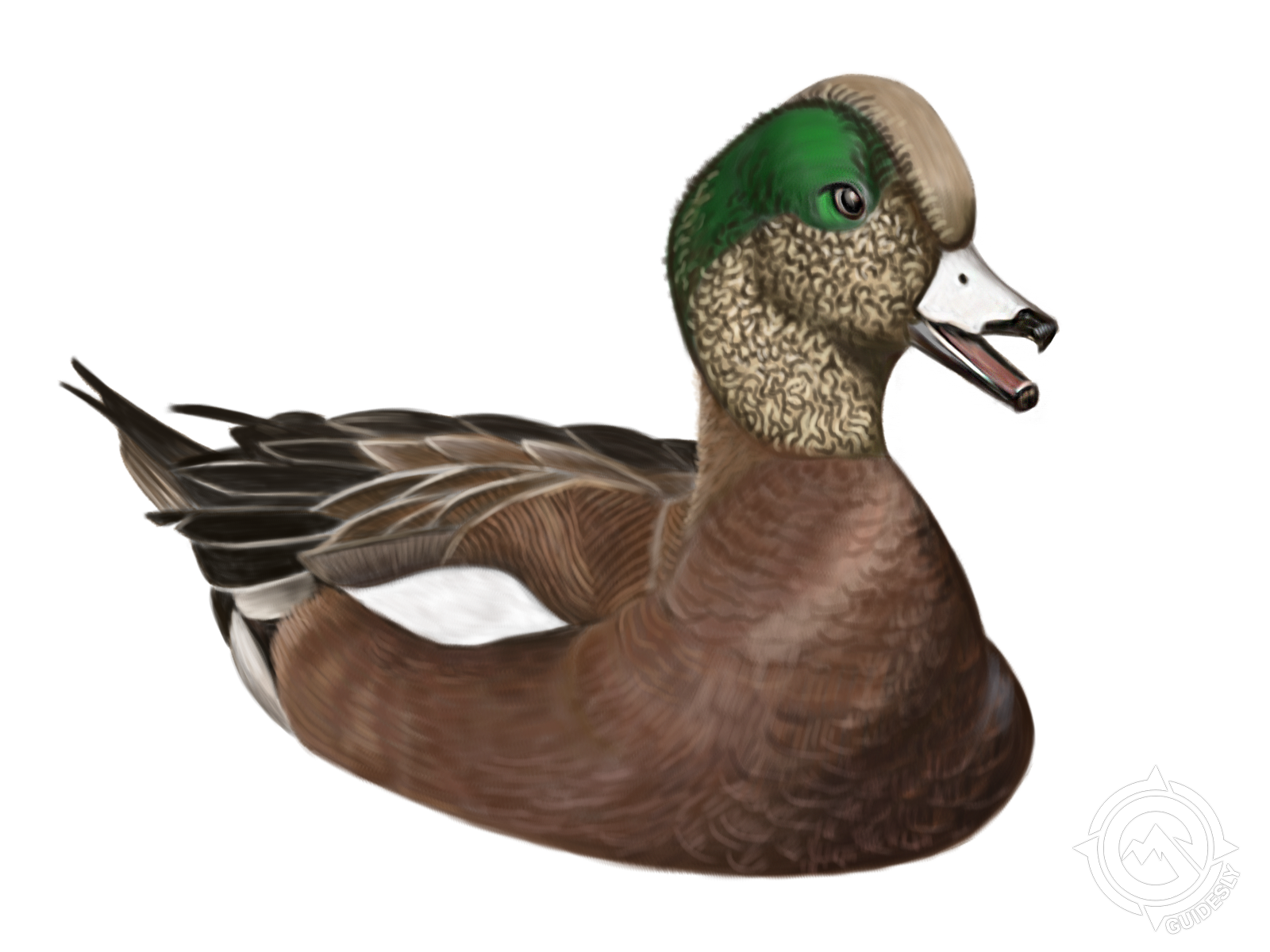 American Wigeon
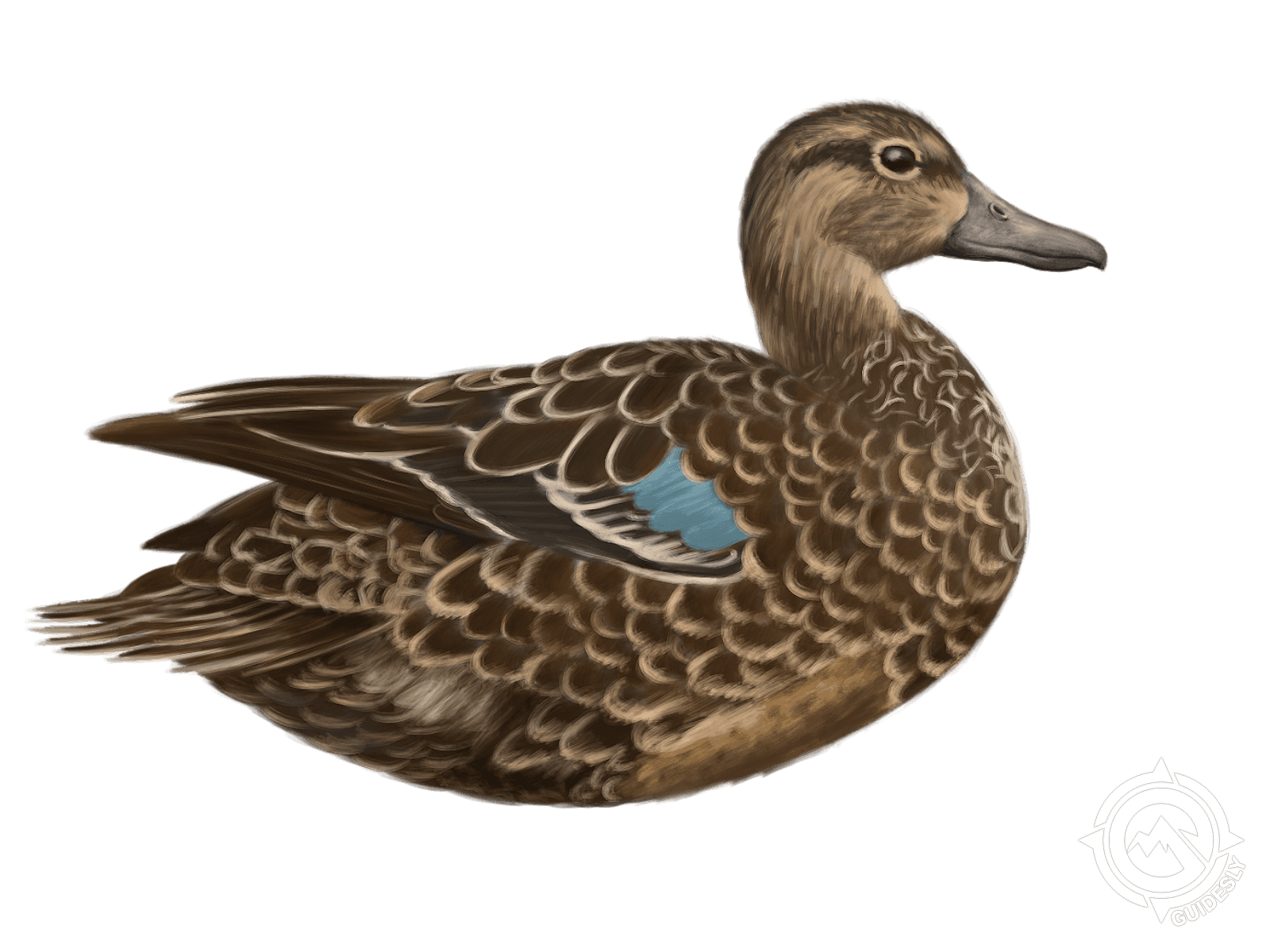
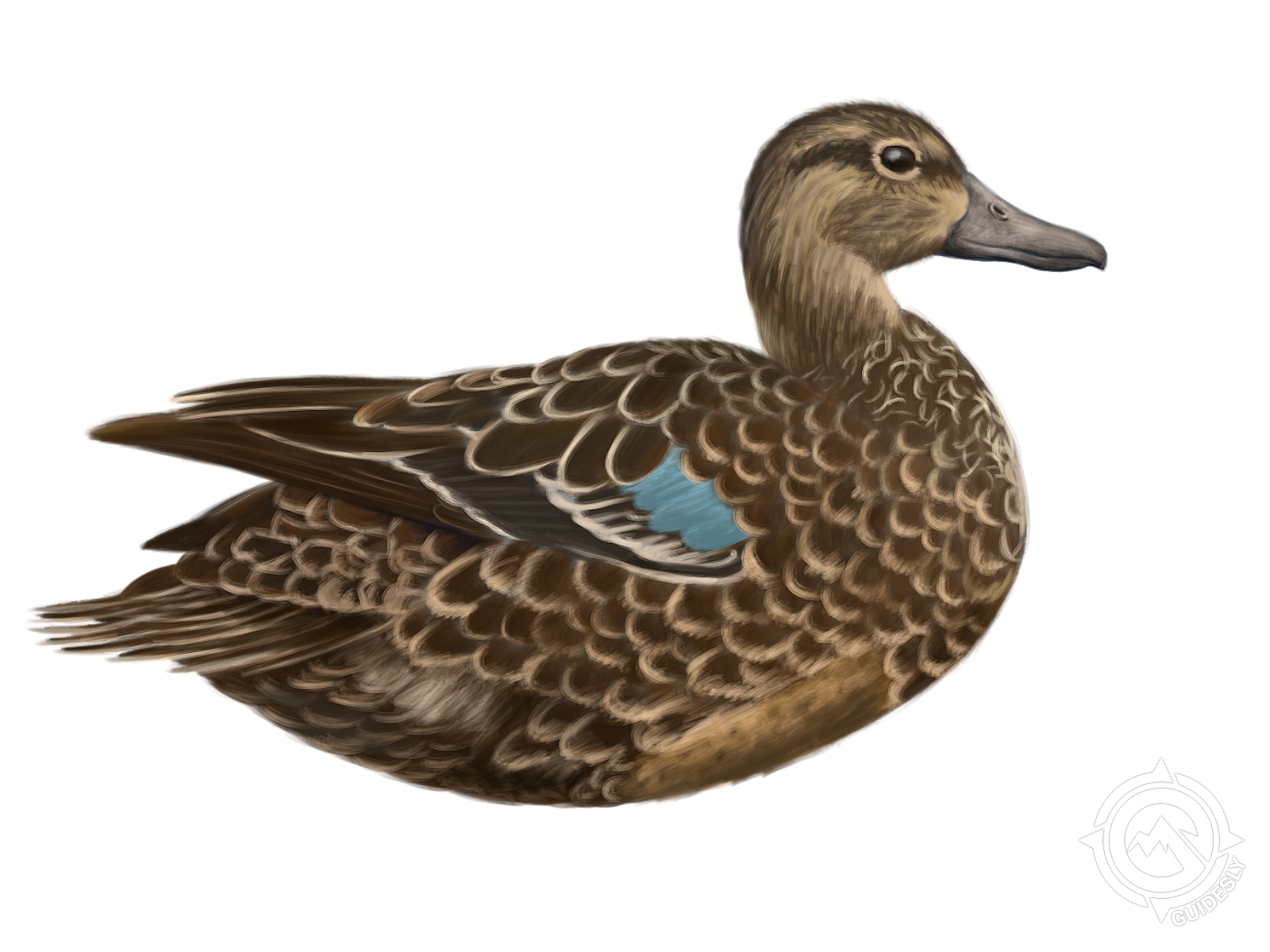 Blue-winged Teal
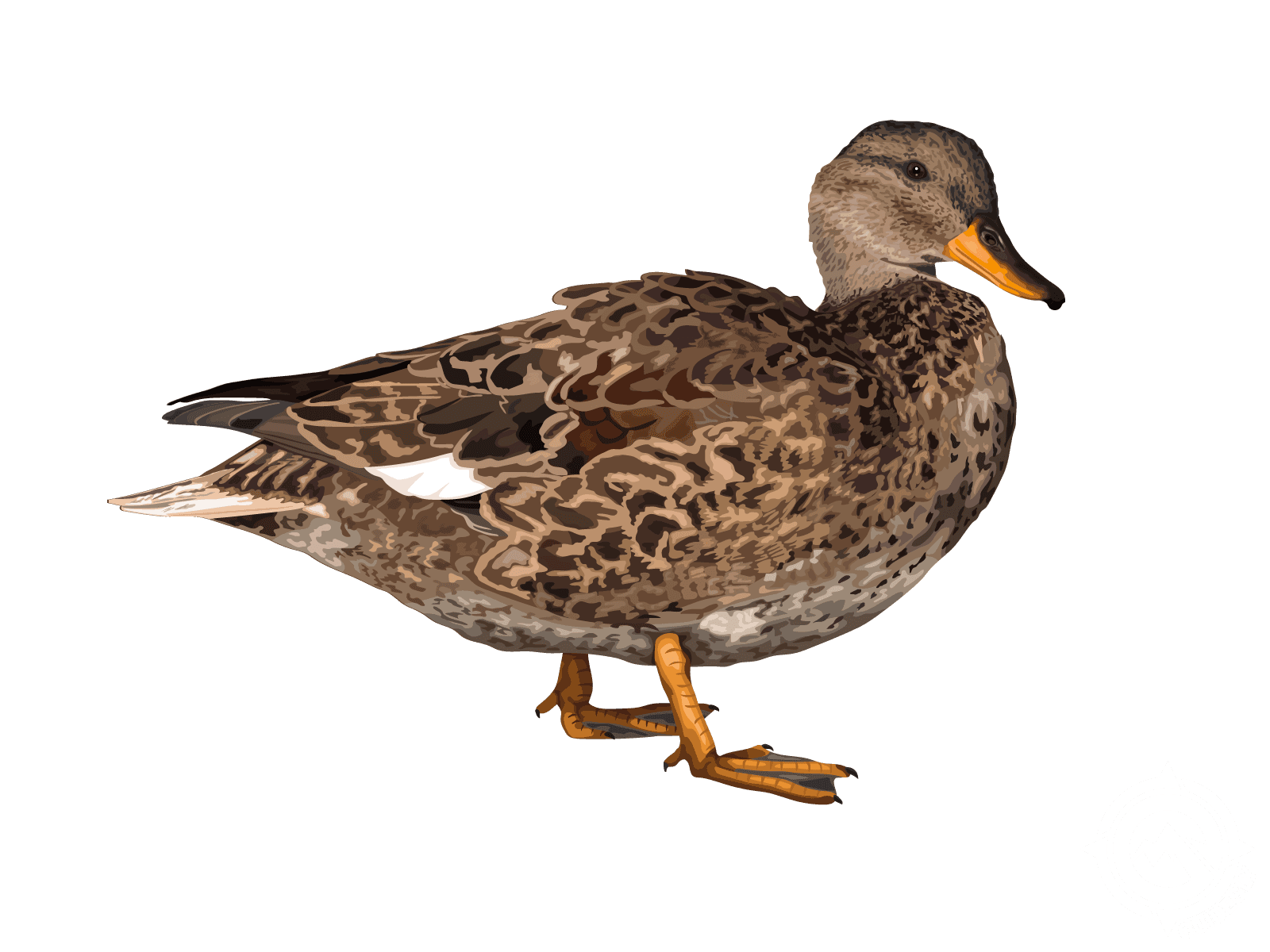
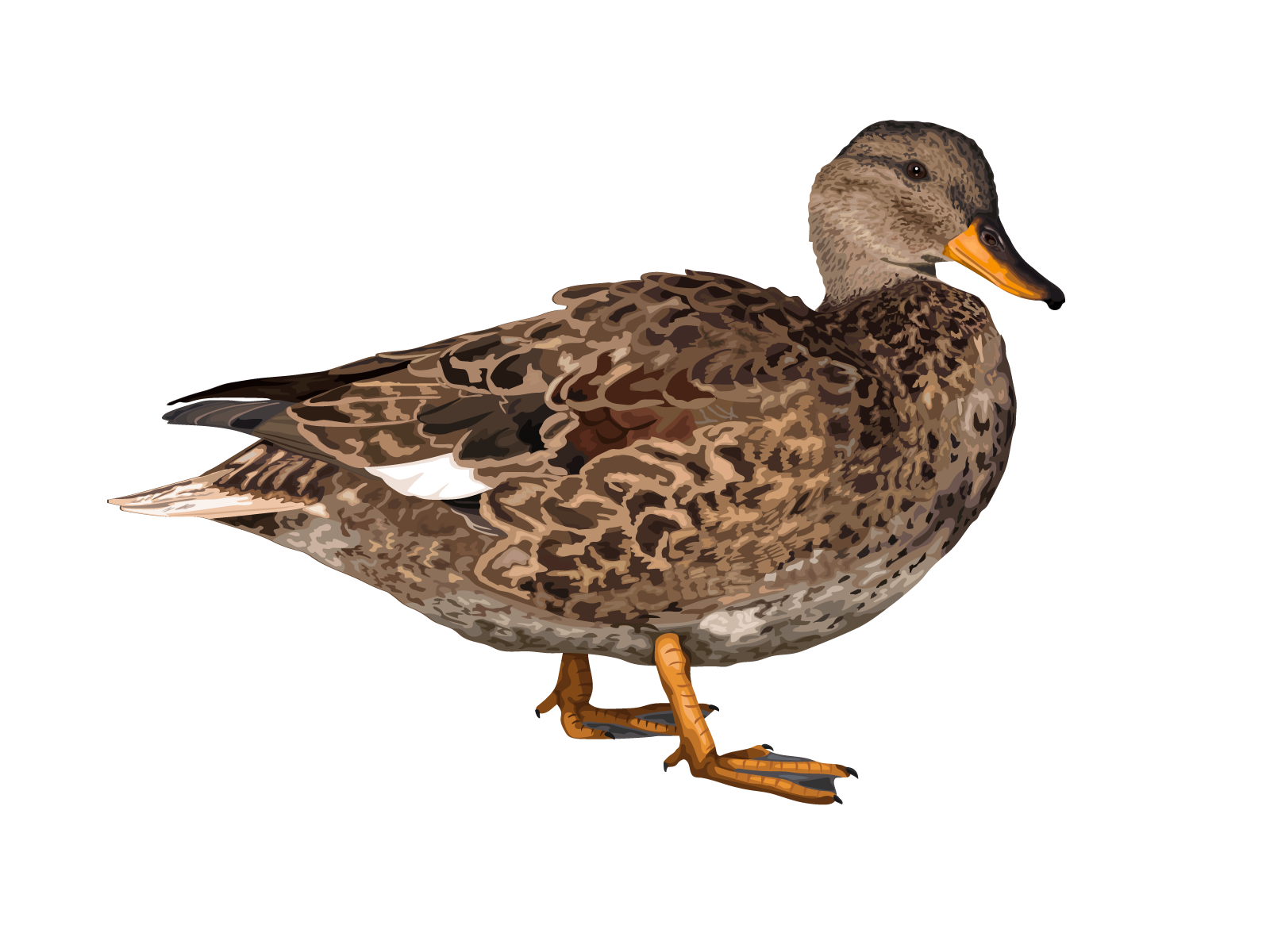 Gadwell Duck
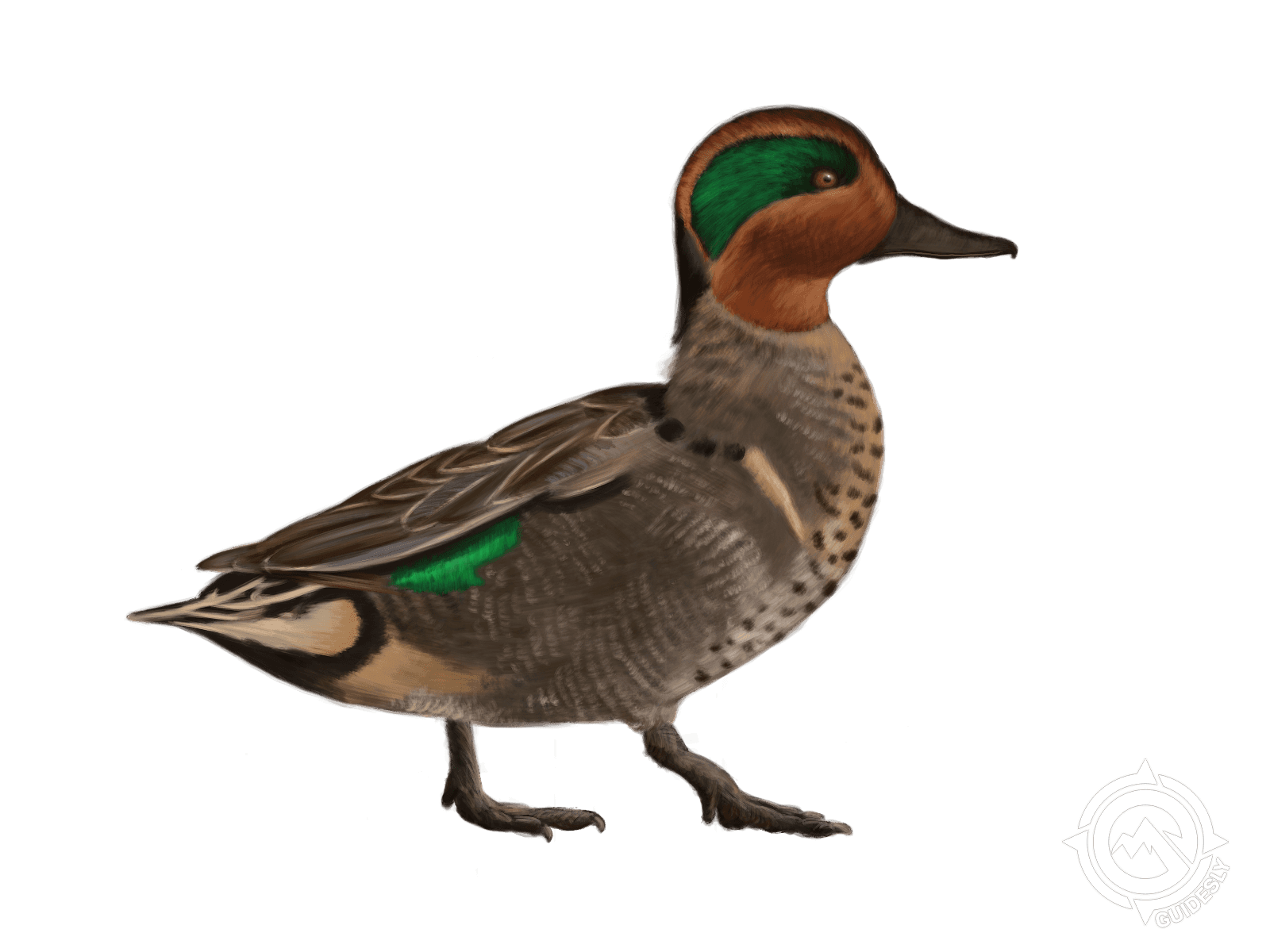
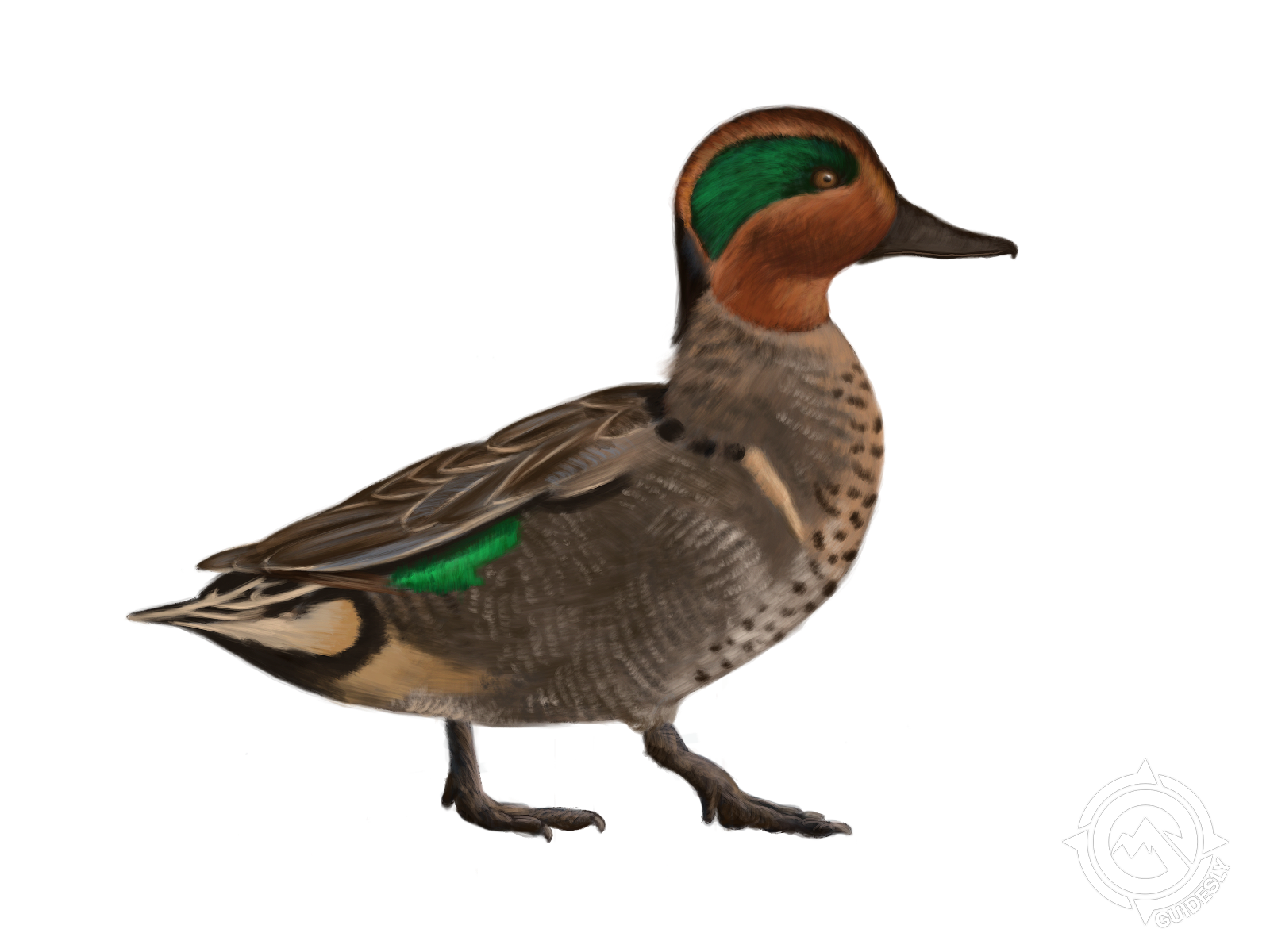 Green-winged Teal
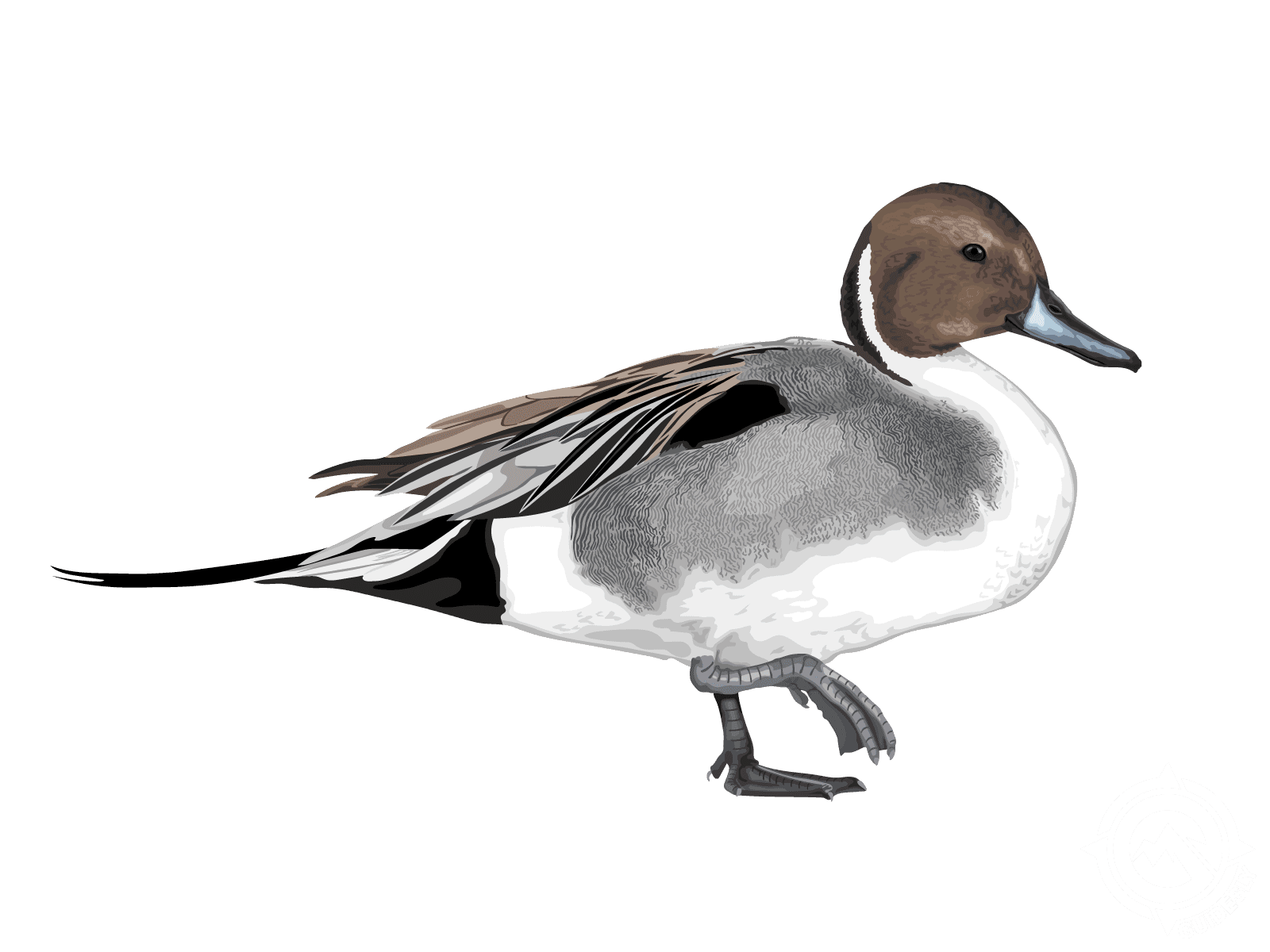
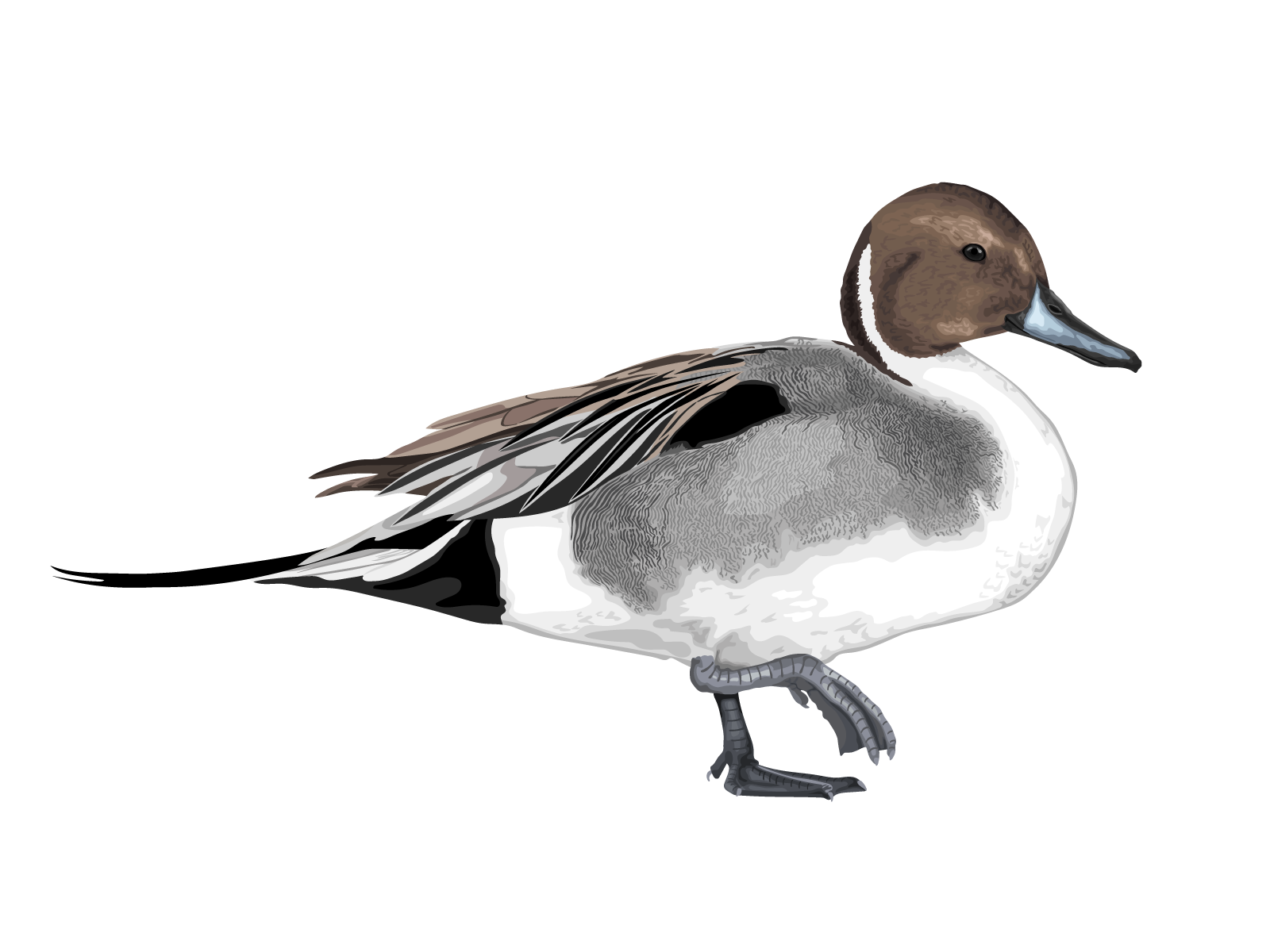 Northern Pintail
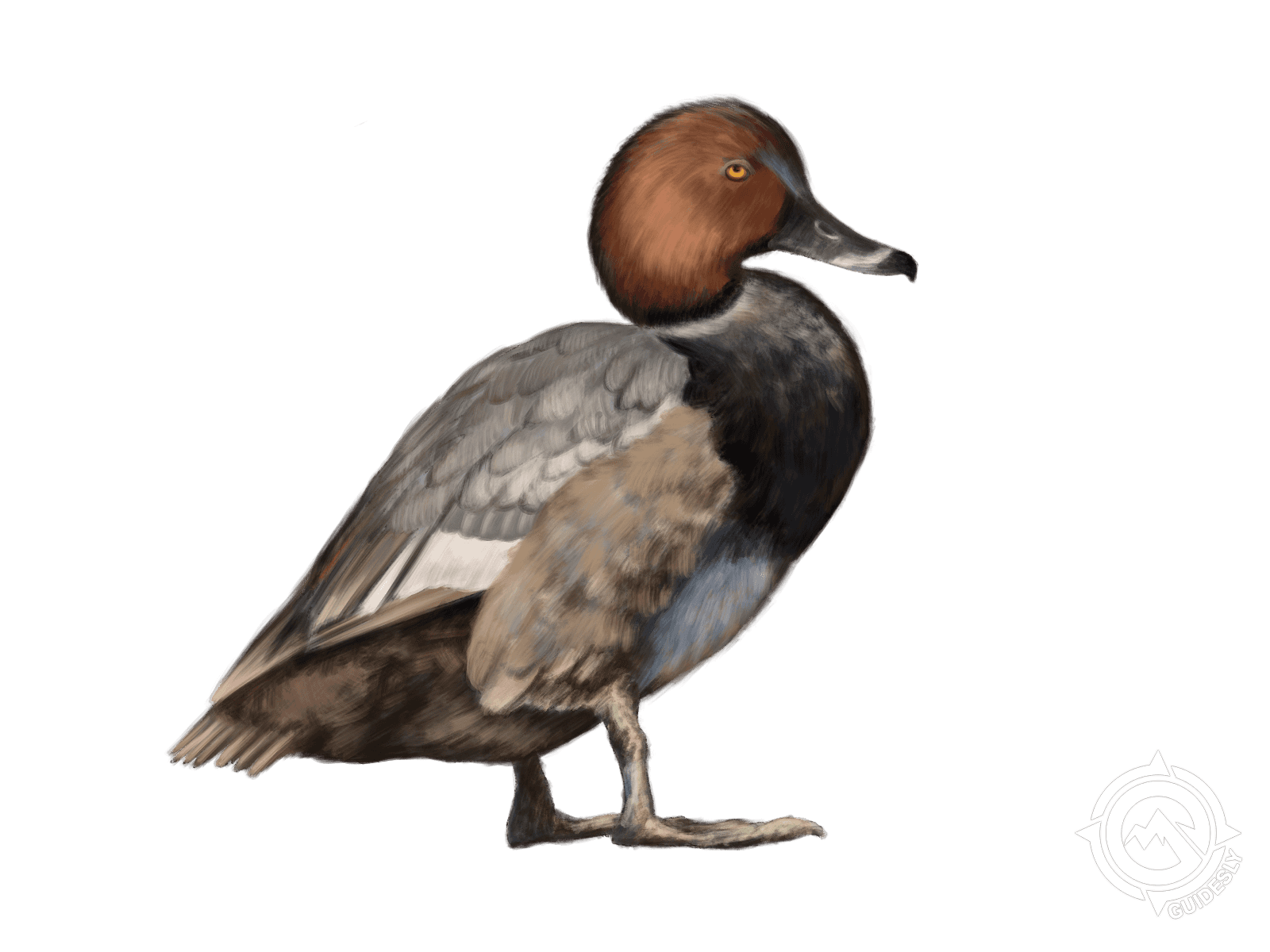
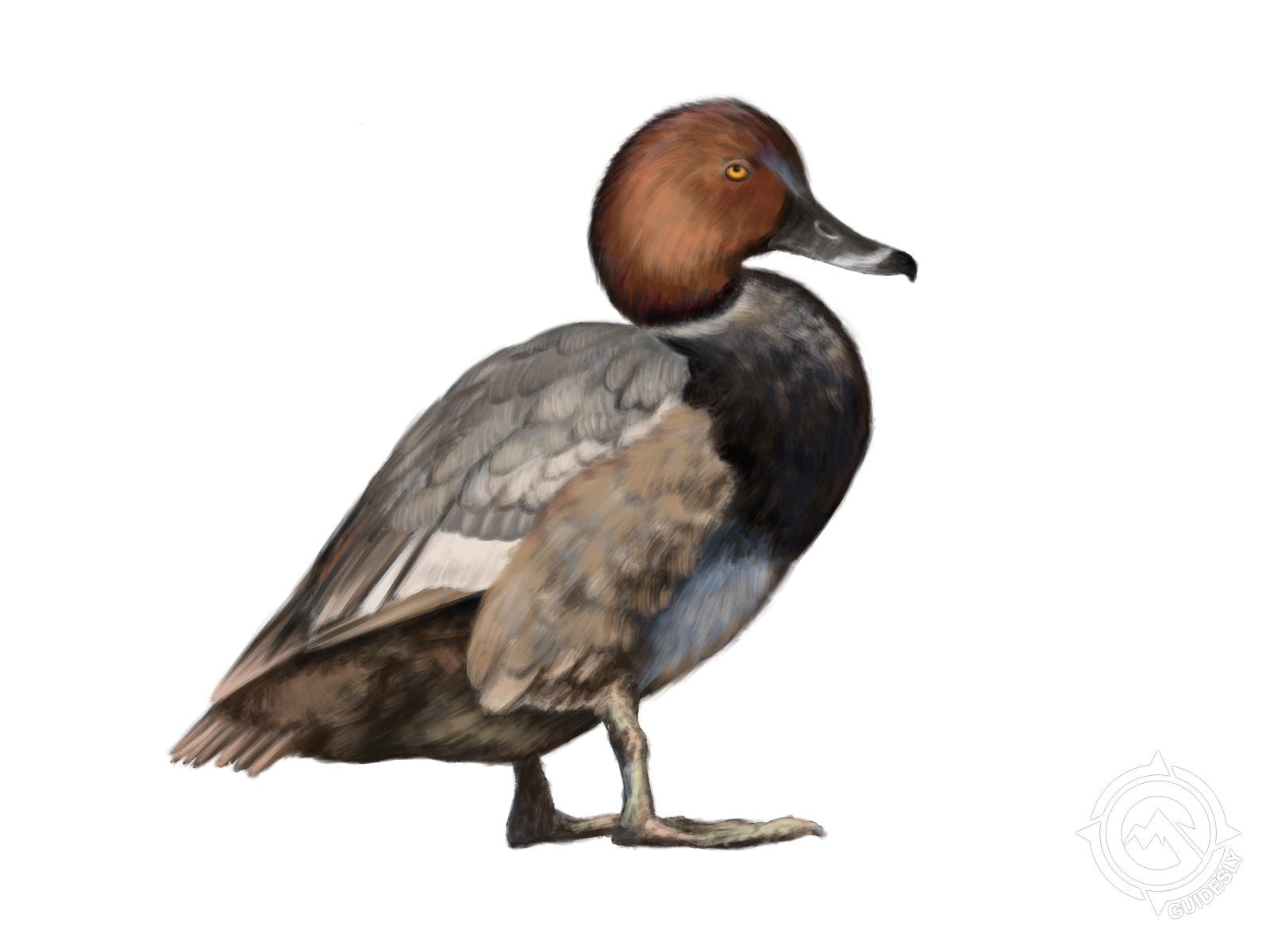 Redhead
- We guide duck hunts out of Corpus Christi targeting redheads, pintail, and mixed puddle ducks on the coastal flats. Morning and afternoon hunts are available during migration season, with conditions determining our exact spots. You'll need to bring your own gun and shells, plus have a valid hunting license, hunter safety card, and both state and federal duck stamps. Our coastal flats hunts run $225 per gun with a 2-gun minimum and can accommodate up to 6 hunters total. The flats offer great opportunities for redheads and various puddle duck species as they move through the area during peak migration times.
Trip Pricing and Availabilities:
Texas Coastal Duck Hunting Adventure
Looking for some serious duck action along the Texas coast? Captain Ryan's got you covered with guided hunts right out of Corpus Christi that'll put you in the thick of the migration. We're talking redheads, pintails, and a solid mix of puddle ducks working the coastal flats when conditions are right. These aren't your typical pond hunts – we're chasing birds where the salt meets the marsh, and trust me, it makes all the difference.
Inside the Hunt
You've got options here – morning or afternoon setups, depending on what the birds are telling us and how the weather's shaping up. The coastal flats around Corpus are prime real estate during migration, and we position ourselves where these ducks want to be, not where we think they should be. Morning hunts kick off early when the birds are moving from roost to feed, while afternoon sessions catch them coming back in. Each hunt accommodates up to 6 hunters with a 2-gun minimum, so bring a buddy or join a group. At $225 per gun, you're getting guided expertise, prime locations, and the kind of local knowledge that separates a good day from a great one. Just remember – you'll need to bring your own gun and shells, plus make sure your hunting license, hunter safety card, and both state and federal duck stamps are current.
Coastal Flats Setup
The coastal flats are where this hunt really shines. We're working shallow water environments where fresh meets salt, creating the perfect storm for duck activity. Depending on wind, tide, and bird movement, we'll set up in different spots along the flats to intercept flights. Layout blinds and natural cover keep us hidden while dekes do their job pulling birds into range. The terrain here is unique – not your typical inland marsh hunting. Wind can be a factor, but it also pushes birds around and creates opportunities if you know how to read it. We scout constantly during season to stay on top of where birds are working, and that intel gets passed directly to you on hunt day. Waders are essential gear here, and don't forget to layer up for those early morning starts when the Texas coast can still have some bite to it.
Target Game Breakdown
Blue-winged Teal are often the first to show up during early season, and these little speed demons will test your wing shooting skills. They're small, fast, and love to work in tight flocks that can appear out of nowhere. Best hunting is typically September through October before they push further south. What makes them exciting is the way they commit to decoys – when they want in, they come in hot and low, giving you those heart-pounding close shots that make for great stories back at the dock.
Gadwall might not win any beauty contests, but these gray ducks are incredibly smart and provide some of the most challenging hunting on the coast. They're suspicious of setups and will circle multiple times before committing, if they commit at all. Peak season runs October through December, and they prefer areas with good aquatic vegetation. What hunters love about gadwall is earning them – when you finally get a pair to finish in your decoys, you know you did everything right.
Redheads are the crown jewel of coastal duck hunting here in Texas. These diving ducks stage in massive numbers along our coast during migration, and when conditions align, the action can be absolutely incredible. Peak hunting typically runs November through January. Redheads are larger ducks that fly in big groups, and watching a raft of them work your decoy spread is something every waterfowler needs to experience. They're also excellent table fare, making them a favorite among hunters who appreciate both the hunt and the meal afterward.
Northern Pintail are the elegant athletes of the duck world, with their long necks and distinctive profile making them easy to identify even at distance. These birds respond well to calling and decoys, especially during late season when they're more concentrated. Best hunting usually happens December through January. What makes pintails special is their grace – they're beautiful birds that fly with purpose and fold up clean when you make good shots. Plus, they're one of the wariest species out there, so successfully hunting them always feels like an achievement.
Green-winged Teal bring non-stop action when they're around. These tiny ducks are incredibly fast and agile, often working in large flocks that can turn a slow morning into chaos in seconds. They're most abundant during early season and again in late winter. The excitement comes from their unpredictability – they'll buzz the decoys, flare off, circle back, and sometimes commit on the third or fourth pass. Their small size means you need to be on your game with shot placement, but the rapid-fire shooting opportunities they provide are addictive.
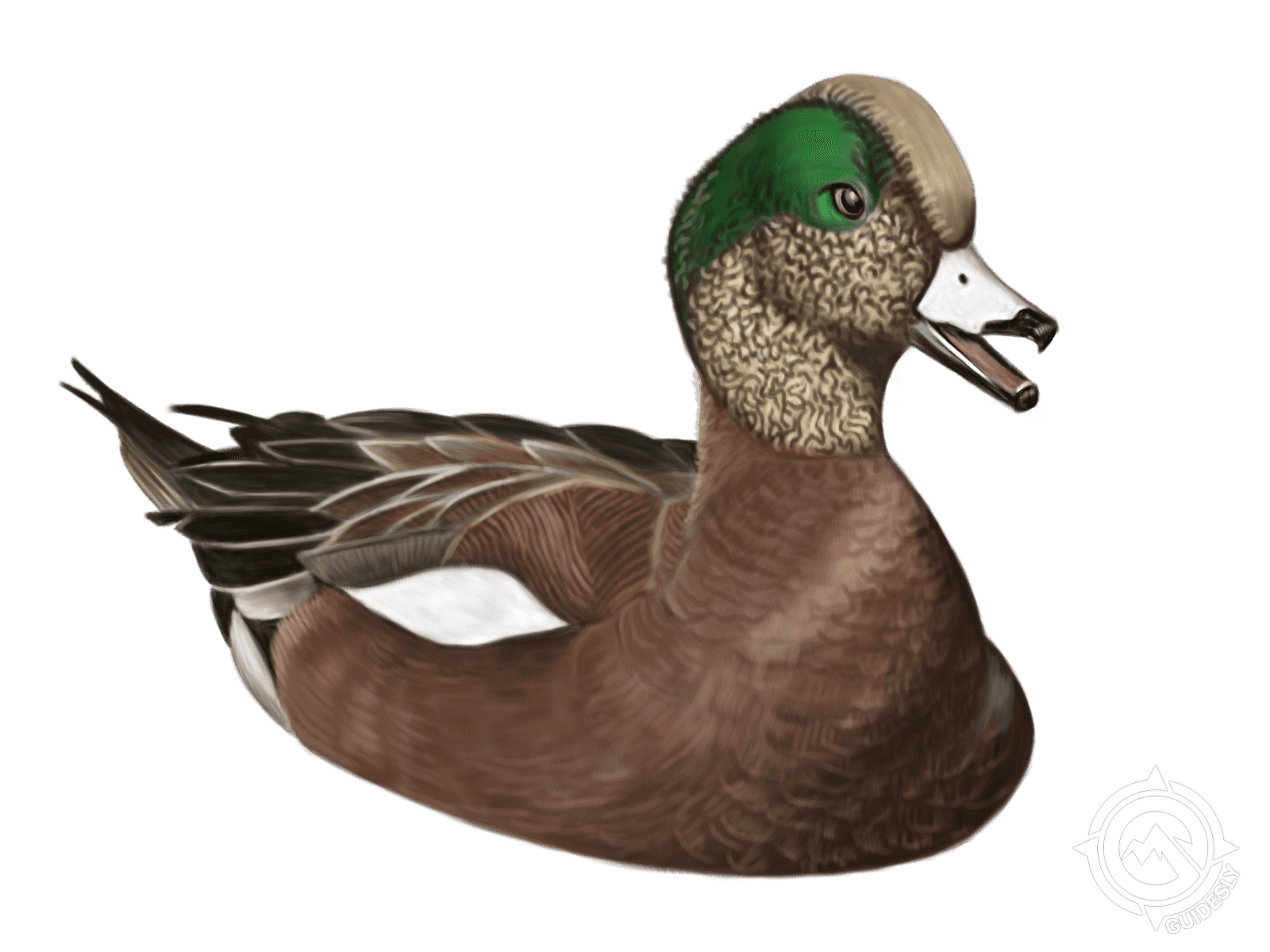
American Wigeon are vocal, social ducks that add both sight and sound to your hunt. They whistle constantly, especially when working decoys, and their calls can actually help draw in other species. Peak season runs October through December along our coastal areas. Wigeon are grazers that love shallow water areas with good grass beds, making our coastal flats perfect habitat. Hunters appreciate them because they're responsive to calling, they decoy relatively easily compared to other puddle ducks, and they provide consistent action throughout the morning or afternoon.
Book Your Next Tag
The Texas coast during duck season is something special, and these coastal flats hunts with Captain Ryan put you right in the middle of one of the most productive flyways in North America. Whether you're after the challenge of outsmarting gadwall, the excitement of redhead rafts, or the fast-paced action that teal provide, we've got the local knowledge and prime locations to make it happen. Morning and afternoon options mean you can fit this hunt into your schedule, and with capacity for up to 6 hunters, it's perfect for groups or solo hunters looking to join others. Don't let another season pass watching migration reports from the sidelines – get out there and experience what coastal duck hunting is all about. Book your hunt today and find out
Learn more about the animals
American Wigeon
Wigeon are medium-sized puddle ducks with a unique whistle call that'll grab your attention from way off. Running about 20 inches, they're chunky birds that prefer our grassy flats and areas with lots of vegetation. Peak time is November through January when big rafts move through our coastal waters. These birds have an interesting habit - they'll often follow diving ducks and steal aquatic plants right from their bills when they surface. Hunters appreciate wigeon for their distinctive call, their willingness to decoy, and their solid size for the bag. The meat's good eating, milder than most puddle ducks. They're also pretty social and will often bring other species into your spread. Key tip: wigeon love areas with widgeon grass and other aquatic vegetation, so set up near the green stuff. Use wigeon whistles in your calling - they respond well and that whistle carries far enough to pull birds from a distance.
Blue-winged Teal
These smaller ducks are real speed demons, often the first to show up in early September when migration kicks off. Blue-wings love our shallow coastal flats and ponds, usually feeding in 6-12 inches of water where they can tip forward to grab aquatic plants and bugs. They're about 15 inches long but don't let the size fool you - they fly fast and erratic, making them a real challenge. Peak season here runs September through early October before they push further south. What hunters love most is their unpredictability and how they test your shooting skills. The meat's excellent too, not as rich as bigger ducks. Pro tip: set up near areas with lots of smartweed or other aquatic vegetation - blue-wings can't resist those spots during feeding time.
Gadwell Duck
Gadwells are solid, medium-sized puddle ducks that show up reliably during our peak migration months. These gray and brown birds are about 20 inches long and prefer slightly deeper water than teal, usually working the edges of our coastal flats where it's 1-2 feet deep. They're steady fliers and respond well to calling, making them great for hunters who like working birds. October through December is prime time, especially when we get those cold fronts pushing through. Gadwells are underrated by a lot of hunters, but they're excellent eating and provide consistent action when other species are finicky. They love areas with submerged grasses and tend to feed heavily in the mornings. Here's what works: use a lot of gadwall hen calls - they're social birds and will often bring other species with them when they commit to your spread.
Green-winged Teal
Green-wings are our smallest target but pack the biggest challenge per pound. These 14-inch darts fly like they're shot out of a cannon, twisting and turning in tight flocks that'll test any shooter. They love super shallow water - just a few inches deep - where they can dabble for seeds and small invertebrates. Season runs strong from October through January, with the best action on calm mornings when they're actively feeding. What hunters love about green-wings is pure shooting sport - they're lightning fast and unpredictable. Plus, the meat is outstanding, some say the best of all ducks. They often mix with other teal and small puddlers, so they'll add action to any hunt. The trick with green-wings is shooting where they're going, not where they are. Lead them more than you think and focus on the front bird - they fly so tight that doubles are possible if you pick your shots right.
Northern Pintail
Pintails are the sleekest ducks on our flats - long, elegant birds that can stretch nearly 30 inches with those distinctive pointed tails. They show up early in October and stick around through February, preferring our shallow flats and muddy areas where they can tip forward to feed. These birds are smart and wary, often the first to spot something wrong with your setup. They fly fast in tight formations and have this graceful way of dropping into decoys that's something to see. Hunters love them for their size, their challenge, and that classic pintail profile. The meat's lean and tasty too. What really gets pintails going is flooded grass areas after rain - they'll work these spots hard. Best advice: keep your decoy spread simple and natural-looking. Pintails have sharp eyes and will flare off over-done spreads faster than any other duck.
Redhead
Redheads are the prize of our coastal flats hunts - big, beautiful diving ducks that really know how to make an entrance. These hefty birds run about 24 inches and weigh close to 3 pounds, so when they hit your decoys, you know it. They love the deeper pockets and edges of our flats, usually 3-5 feet deep where they can dive for aquatic plants and small crabs. November through January is prime time, especially during cold snaps when they pile into our protected bays. What makes them special is their size, their striking looks, and how they absolutely commit when they want to land. The drakes have that classic red head and gray body that stands out in any mixed bag. They're also top-shelf eating. Success tip: use plenty of redhead and canvasback decoys in deeper water - they like company and will often circle several times before committing, so be patient.